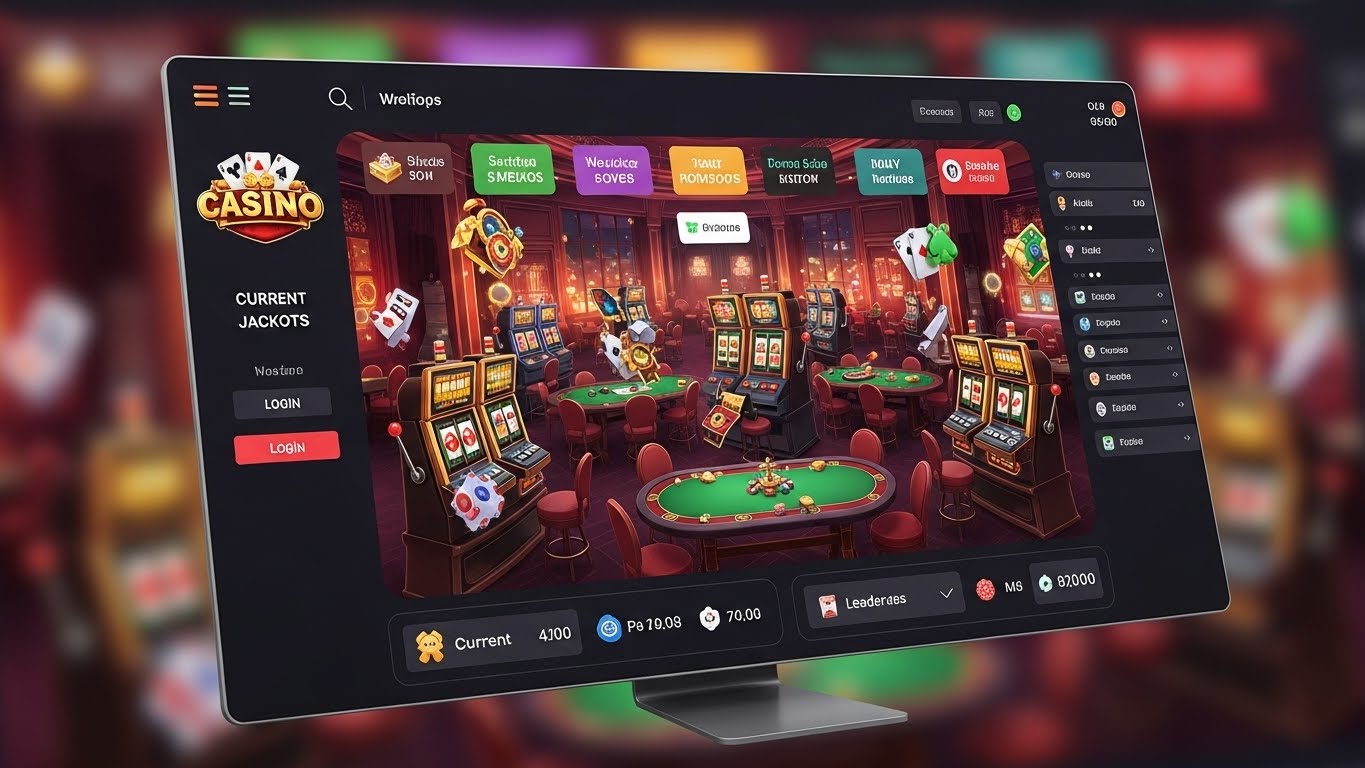
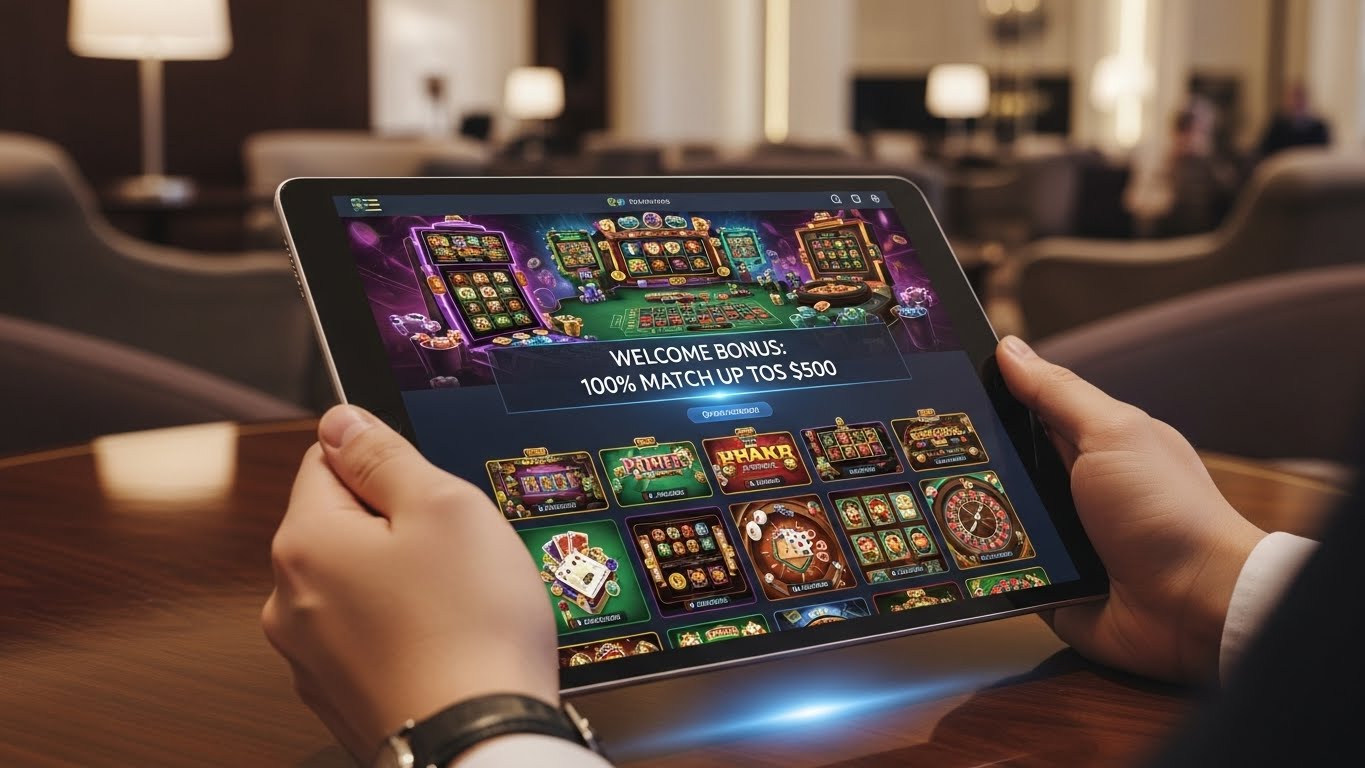
The world of iGaming has rapidly evolved over the last two decades, transforming the way people engage with gaming and gambling. iGaming, short for interactive gaming, encompasses online betting, casino games, poker, sports betting, and more. As technology has advanced, so has the iGaming industry, offering a convenient, immersive, and often lucrative experience for players worldwide. In this blog post, we’ll explore the many facets of iGaming, its rise to prominence, its future potential, and how it’s shaping the entertainment landscape.
What is iGaming?
At its core, iGaming refers to any form of gaming that takes place over the internet. While the term is often associated with online gambling and betting, iGaming also includes digital versions of traditional casino games, virtual sports, and poker. The industry thrives on the convergence of traditional gaming and new technologies like virtual reality (VR), augmented reality (AR), and blockchain, enabling players to engage in a range of interactive experiences, often in real time.
A Brief History of iGaming
The roots of iGaming can be traced back to the early 1990s when the internet began to gain widespread popularity. The first online casino, InterCasino, opened its virtual doors in 1996, marking the beginning of an entirely new entertainment sector. From there, online gambling platforms expanded quickly, attracting players seeking the convenience of playing from home, without the need to visit a physical casino.
In the early days, the technology was rudimentary by today’s standards, with basic graphics and limited functionality. However, as internet speeds improved and more sophisticated software emerged, the industry began to grow exponentially. The 2000s saw the rise of online poker rooms like PokerStars and PartyPoker, which contributed significantly to the expansion of the online gaming market. By the 2010s, the iGaming industry was fully established, with a wide array of online casinos, sportsbooks, and other gaming platforms available to users worldwide.
Key Components of iGaming
The iGaming industry is vast and multifaceted, comprising various segments that cater to different types of players. Below are the main categories of iGaming:
Online Casino Games
Online casinos are the most common form of iGaming. These platforms host virtual versions of traditional casino games like blackjack, roulette, baccarat, and slots. The digital format allows players to enjoy these games anytime and anywhere, using their computer or mobile device. Online casinos have evolved over the years, incorporating advanced graphics, sound effects, and live dealer options that replicate the experience of being in a real casino.
One of the most significant innovations in the online casino sector has been the development of live dealer games. Live dealer casinos stream real dealers in real time to players via video feeds. This development has brought the excitement of in-person casino play directly to users’ screens, further bridging the gap between online and offline gaming experiences.
Sports Betting
Sports betting is another pillar of the iGaming industry. The rise of online sportsbooks has made it easier for sports fans to place bets on their favorite teams, games, and events from anywhere in the world. This aspect of iGaming covers everything from betting on major leagues like the NFL, NBA, and soccer to niche sports and even virtual sports, such as eSports.
Online sports betting platforms offer a variety of wager types, including moneylines, point spreads, over/under, and parlays. With the growing integration of mobile technology, users can place bets on the go, enhancing the appeal and accessibility of sports betting.
Online Poker
Poker has always been a game that brings people together, whether in a casino, at a home game, or in a tournament. Online poker platforms allow players to participate in games and tournaments against others from around the world. Whether it’s Texas Hold’em, Omaha, or Seven Card Stud, online poker offers numerous variants, attracting players with different skill levels.
Online poker rooms, such as PokerStars, 888poker, and Partypoker, offer both cash games and tournament formats, including high-stakes events with life-changing prizes. The most prestigious online poker tournament is the World Series of Poker (WSOP) Online, where top players compete for large sums of money and the coveted WSOP bracelet.
eSports Betting
A relatively new but rapidly growing segment of iGaming is eSports betting. eSports, or competitive video gaming, has become a global phenomenon, with millions of fans watching players compete in games like League of Legends, Dota 2, Counter-Strike: Global Offensive, and Fortnite. As the popularity of eSports grows, so does the demand for betting on these virtual tournaments.
eSports betting platforms allow users to place wagers on the outcomes of eSports tournaments, similar to how one would bet on traditional sports. This segment is particularly popular among younger audiences who are passionate about gaming and seek ways to engage with their favorite teams and players on a deeper level.
The Rise of Mobile iGaming
One of the most significant trends in the iGaming industry is the shift toward mobile gaming. Smartphones and tablets have become the primary means of accessing online casinos, sports betting, and other iGaming platforms. With the development of mobile-friendly websites and dedicated apps, players can now enjoy their favorite games from virtually anywhere, whether they are at home, commuting, or on vacation.
Mobile iGaming is often optimized to provide smooth, high-quality experiences even on smaller screens. Game developers design mobile versions of their games with touch controls in mind, ensuring that users can easily interact with the game. This mobile-first approach has contributed significantly to the growth of iGaming, attracting a wider audience and offering a more convenient alternative to traditional desktop gaming.
The Role of Technology in iGaming
Technology plays a critical role in the growth and evolution of the iGaming industry. Several key innovations have transformed the way players experience online gaming.
Virtual Reality and Augmented Reality
Virtual reality (VR) and augmented reality (AR) technologies are beginning to make their mark on iGaming. VR gaming platforms offer fully immersive experiences, allowing players to interact with virtual casinos or poker tables in a three-dimensional space. In the future, VR casinos could replicate the atmosphere of a real-world casino, with live dealers, other players, and the ability to explore virtual environments.
Augmented reality, on the other hand, overlays digital elements on the real world. This technology could allow for interactive, location-based gaming experiences. While VR and AR are still in the early stages of development in iGaming, their potential to transform the industry is immense.
Blockchain and Cryptocurrency
Blockchain technology and cryptocurrencies, such as Bitcoin and Ethereum, have begun to reshape the iGaming sector. These technologies offer players an additional layer of security, transparency, and anonymity. With blockchain, transactions are verified by a decentralized network, reducing the risk of fraud and ensuring fairness. Cryptocurrencies also provide a faster and more secure method of depositing and withdrawing funds on iGaming platforms.
Some iGaming platforms have already adopted blockchain technology, creating decentralized casinos and sports betting platforms that offer improved security and trust for players. As these technologies continue to evolve, they could become more mainstream within the industry.
Artificial Intelligence
Artificial intelligence (AI) is another technology making waves in iGaming. AI-powered algorithms can be used to create smarter, more engaging games. For example, AI can personalize gaming experiences by analyzing players’ behaviors and preferences, tailoring the games or promotions to suit individual needs.
AI also plays a role in responsible gaming. AI-driven tools can detect problem gambling behavior and provide players with warnings or encourage them to set limits. This focus on player safety and responsible gaming is essential as the iGaming industry continues to grow.
The Legal Landscape of iGaming
As the popularity of iGaming grows, so too does the scrutiny from governments and regulators. The legal status of online gambling varies significantly from one country to another. Some nations, like the United Kingdom and Canada, have established regulated markets for online gambling, ensuring that players are protected and that operators are held accountable.
However, in many regions, online gambling remains unregulated or outright banned. This creates a complex legal landscape for both players and operators. Many iGaming platforms operate in jurisdictions where the laws are more permissive, allowing them to offer their services to players in countries with stricter regulations.
As the iGaming industry continues to expand, it’s likely that more governments will look to regulate online gambling, bringing it in line with other forms of digital entertainment. This could lead to greater consumer protection, fairer gameplay, and more tax revenue for governments.
The Future of iGaming
The future of iGaming looks bright, with continued technological advancements driving innovation in the industry. As mobile gaming continues to dominate, we can expect more seamless, immersive experiences across a variety of devices. Technologies like VR, AR, blockchain, and AI will continue to evolve, offering players more dynamic and engaging ways to enjoy their favorite games.
Furthermore, the growing acceptance of online gambling in various regions, coupled with the expansion of regulated markets, will likely lead to greater mainstream adoption of iGaming. The continued integration of iGaming with traditional forms of entertainment, such as sports and eSports, will further cement its place as a key part of the digital entertainment ecosystem.
In conclusion, iGaming is not just a passing trend but a growing industry that is reshaping the way people think about gaming and gambling. As technology evolves, so too will the experiences available to players, opening up new opportunities for innovation and engagement. Whether you’re an experienced player or a newcomer, the world of iGaming offers an exciting and ever-evolving landscape full of possibilities.