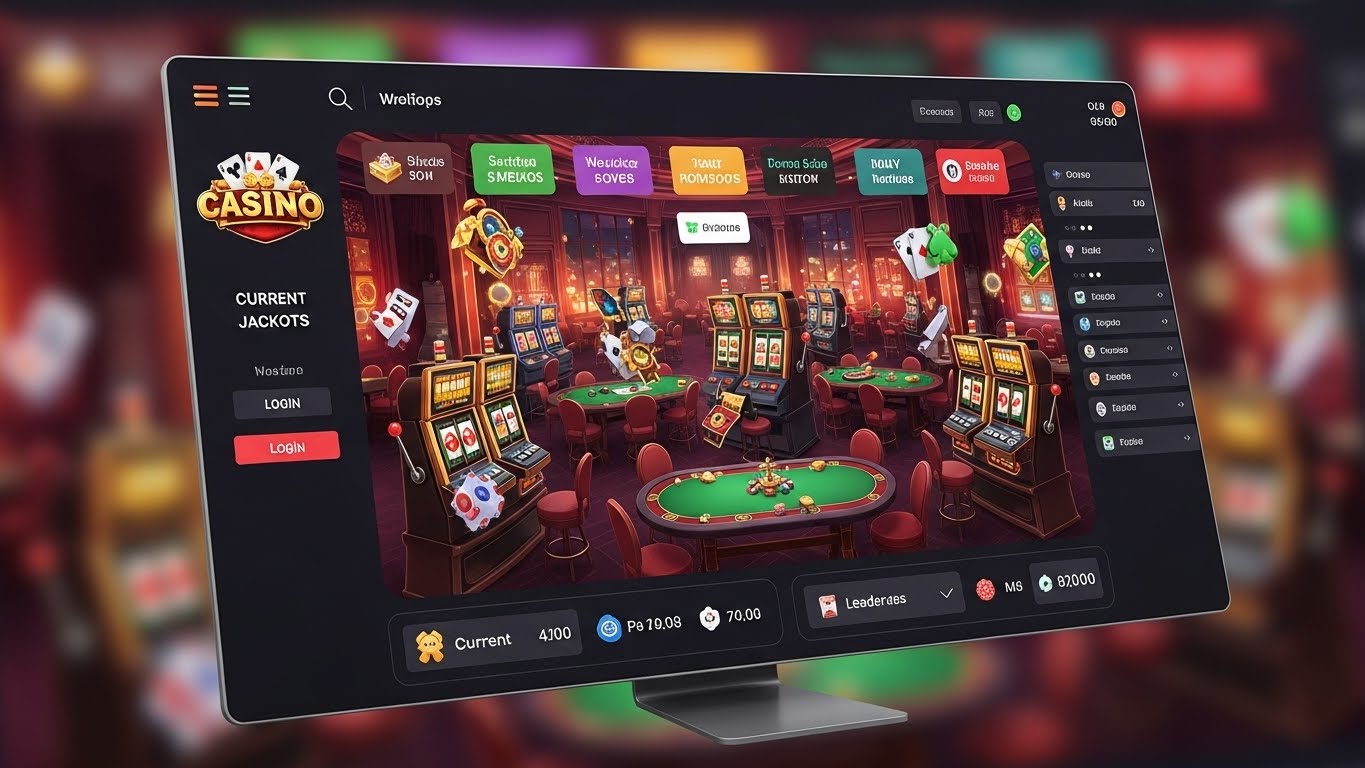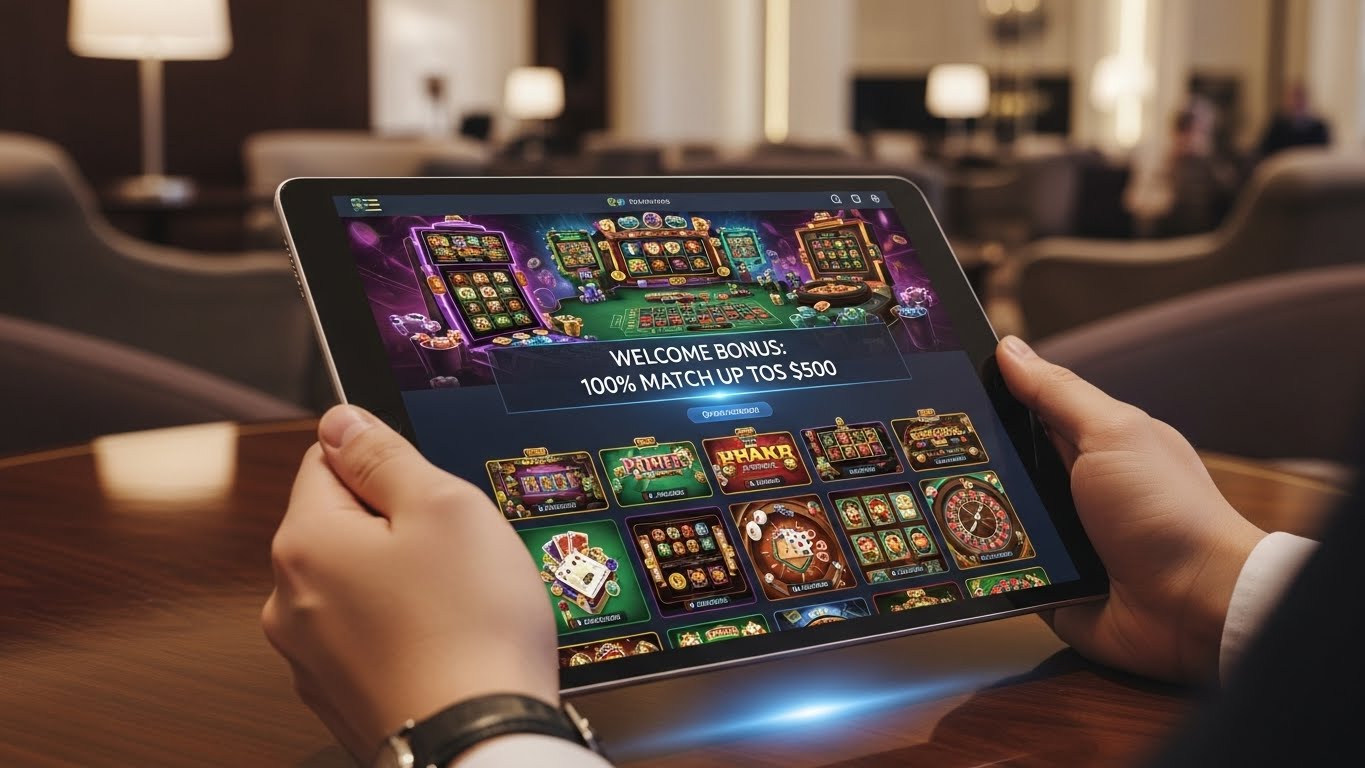
iGaming is more than just a trend—it’s a digital revolution that’s reshaping the gambling and entertainment industries. What started as a niche market has grown into a global phenomenon, offering a wide array of gaming options that attract millions of players worldwide. The combination of cutting-edge technology, global connectivity, and evolving regulations has created an ecosystem where anyone with an internet connection can participate in a diverse range of gaming experiences. In this blog, we’ll explore the rise of iGaming, its impact on the global market, and what the future holds for this rapidly expanding sector.
What Exactly is iGaming?
At its core, iGaming refers to any type of gambling or gaming that is done over the internet. This encompasses a variety of activities such as online casino games, sports betting, poker, and more. iGaming is not just limited to traditional gambling—it includes the latest gaming innovations like esports betting, virtual sports, and even fantasy sports leagues.
Unlike the brick-and-mortar casinos or betting shops, iGaming offers the convenience of participating in these activities at any time and from any place, as long as there’s an internet connection. Players can enjoy games on their smartphones, laptops, or tablets, making it more accessible than ever before.
From classic casino games like blackjack, roulette, and slots to newer forms of entertainment like live dealer games and virtual sports, iGaming is as diverse as the players it attracts. This accessibility and variety have been key drivers of the sector’s remarkable growth.
The Rapid Growth of iGaming: Factors Driving the Boom
iGaming is booming—and its growth shows no signs of slowing down. There are several factors driving this rise, from technological advances to changes in global regulations.
Technological Advancements: Over the past decade, the rise of mobile gaming has made iGaming more accessible. Smartphones, tablets, and high-speed internet have revolutionized the way people gamble and play games. The ability to play anytime, anywhere has made iGaming a go-to form of entertainment for millions of people worldwide.
Legalization and Regulation: Many countries have begun to recognize the potential benefits of iGaming, including tax revenue and job creation. As a result, many have moved toward legalizing and regulating online gambling. This has created safer and more reliable platforms for players, and has contributed to the overall growth of the industry.
Changing Player Preferences: The shift in player preferences has also contributed to the rise of iGaming. The younger generation, in particular, is increasingly drawn to digital experiences. They are more comfortable with online platforms and enjoy the social and interactive aspects of gaming, including live dealer games and multiplayer experiences.
The Esports Revolution: In addition to traditional forms of gambling, esports has emerged as a major player in the iGaming world. The global popularity of competitive gaming and esports tournaments has given rise to esports betting, attracting a younger and more tech-savvy demographic. This new form of online betting has proven to be highly engaging and has contributed significantly to the growth of the iGaming sector.
Technology That Powers the iGaming Experience
Technology is at the heart of iGaming’s success. Various innovations have enhanced the gaming experience, making it more immersive, interactive, and secure. Let’s take a look at some of the most significant technological advancements that are shaping the industry.
Live Dealer Games: One of the standout innovations in the world of iGaming is the introduction of live dealer games. These games allow players to interact with real-life dealers through a live video stream, creating a more authentic casino experience. This feature has been a game-changer for players who enjoy the social aspect of gambling but prefer the convenience of online play.
Virtual Reality (VR): Virtual reality is still in its infancy within iGaming, but it’s poised to transform the industry. By using VR headsets, players can immerse themselves in fully interactive, 3D casino environments. This level of immersion can make the gaming experience feel much more realistic, and as the technology becomes more accessible, it’s expected to become a key part of iGaming’s future.
Artificial Intelligence (AI): AI has numerous applications in iGaming. From personalizing player experiences to detecting fraudulent activity, AI is helping to create a safer and more enjoyable environment for players. AI is also being used to improve customer support, with AI-driven chatbots offering instant help to players.
Blockchain Technology: Blockchain is changing the way transactions are made in iGaming. By offering transparent, decentralized ledgers, blockchain helps ensure that all transactions are secure and fair. Cryptocurrency payments like Bitcoin and Ethereum are also gaining traction in the iGaming world, offering faster, more secure payment options for players.
The Social Side of iGaming
One of the most exciting aspects of iGaming is the social interaction it facilitates. Unlike traditional gambling, which can often be a solitary activity, iGaming has become increasingly social. Many platforms now include live chat features, multiplayer games, and even social betting features that allow players to interact with one another in real-time.
In live dealer games, players can chat with dealers and other players, creating a more communal experience. Online poker tournaments and multiplayer games have also introduced social aspects, where players can engage with others while enjoying the game. Esports betting, too, has fostered an online community where fans share predictions, discuss their favorite teams, and interact in real-time.
These social components have made iGaming more engaging and appealing to a broader audience, helping to create a global community of players.
The Economic Impact of iGaming
The rise of iGaming has had a significant economic impact, creating jobs, generating tax revenue, and providing investment opportunities across the globe.
Job Creation: The iGaming sector is responsible for creating a wide range of jobs in fields such as software development, marketing, customer support, and game design. As the industry continues to grow, the demand for skilled professionals in these areas will only increase.
Tax Revenue: Many governments have embraced iGaming as a way to boost their economies. By legalizing and regulating online gambling, countries can collect taxes and licensing fees from operators. This revenue can then be reinvested into public services, healthcare, and other essential sectors.
Investment Opportunities: The growing iGaming industry has attracted a significant amount of investment. Venture capitalists and private equity firms are investing in iGaming startups and established companies, helping to fund new innovations and expansion efforts. This investment has spurred the development of new technologies, games, and betting options.
The Challenges Facing iGaming
While iGaming continues to thrive, there are some challenges that need to be addressed. One of the most pressing issues is ensuring the safety and security of players. With the rise of online platforms, there is always a risk of fraud, hacking, and data breaches. Operators must invest in robust cybersecurity measures to protect players’ personal and financial information.
Another challenge is responsible gambling. The ease of access to iGaming platforms can sometimes lead to problematic gambling behavior. Many operators have implemented features such as self-exclusion, spending limits, and responsible gaming tools to help players manage their gambling habits. Still, maintaining a balance between entertainment and responsibility remains an ongoing challenge for the industry.
Finally, the complex legal landscape surrounding iGaming is another challenge. While many countries have legalized online gambling, others still have strict regulations or outright bans. This creates confusion for both operators and players and limits the growth potential in certain regions.
The Future of iGaming
Looking ahead, the future of iGaming is incredibly bright. As technology continues to evolve, we can expect even more immersive, interactive, and secure gaming experiences. Virtual reality, augmented reality, and blockchain will likely play major roles in reshaping the iGaming landscape.
We can also expect the expansion of iGaming into new regions as more countries legalize online gambling. As regulatory frameworks become more standardized, operators will be able to reach new markets with greater ease. Additionally, the integration of esports, live sports betting, and skill-based games will continue to attract new audiences.
In conclusion, iGaming is no longer just a niche industry—it’s a rapidly growing global market that is changing the way people experience gambling and entertainment. With its innovative use of technology, social components, and expanding economic impact, iGaming is poised to continue its rise and transform the future of digital entertainment. Whether you’re a casual gamer, a seasoned gambler, or an esports enthusiast, iGaming offers something for everyone.