The world of gaming has always been a dynamic and fast-evolving industry, and with the rise of the internet, a new frontier has opened up: iGaming. iGaming, or internet gaming, encompasses a broad spectrum of online gaming activities, from online casinos and sports betting to virtual poker and eSports betting. As technology has progressed, the global iGaming industry has grown exponentially, transforming the way people experience gaming, betting, and entertainment. This blog post explores the rise of iGaming, its impact on the gaming and betting sectors, the challenges it faces, and the future of this thriving digital ecosystem.
What is iGaming?
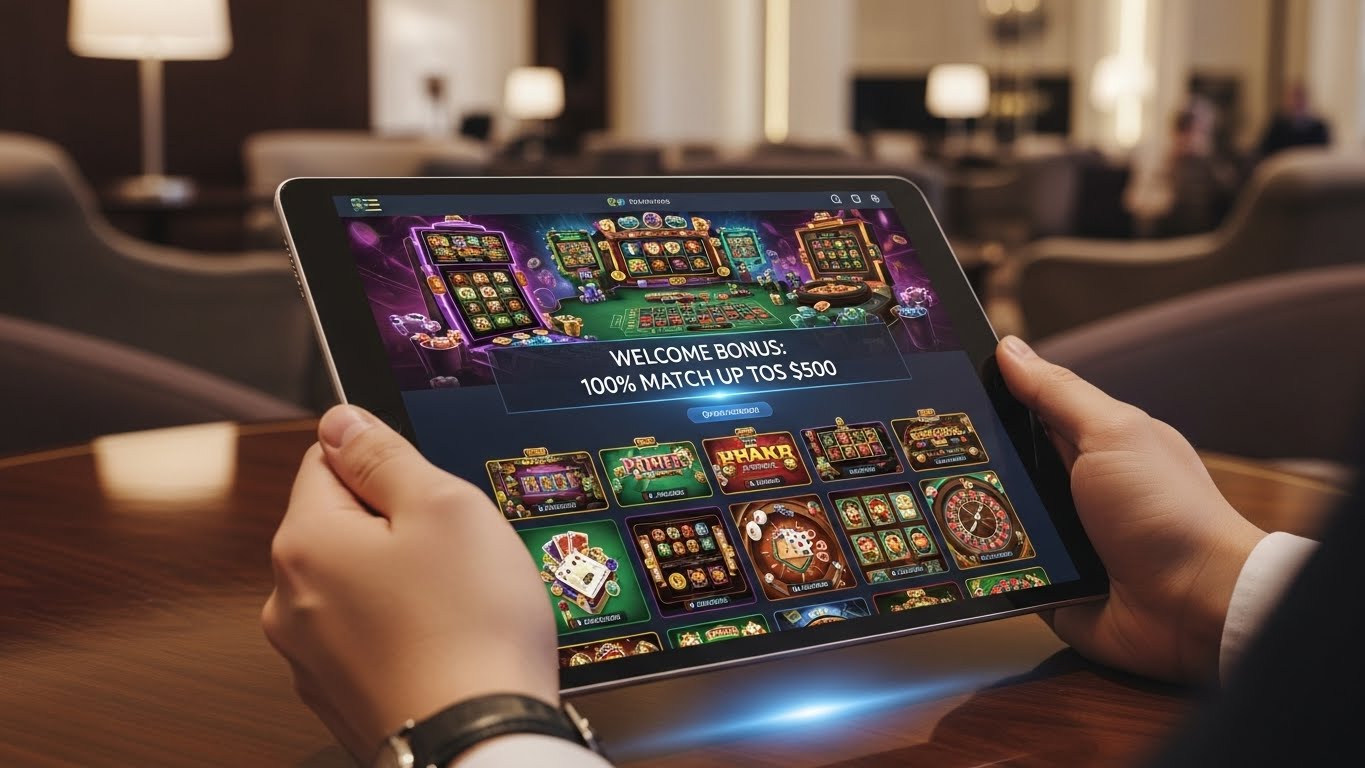
At its core, iGaming refers to any form of gaming or betting conducted via the internet. It includes activities such as online casino games, sports betting, virtual poker, lotteries, and eSports betting. The convenience and accessibility of these digital platforms have revolutionized the gaming industry, offering players the chance to engage in their favorite activities from the comfort of their homes or on the go through mobile devices.
One of the key factors driving the growth of iGaming is the increasing number of users who have access to the internet and smart devices. The widespread availability of mobile phones, tablets, and laptops has made it easier for people to participate in online gaming, regardless of their geographical location. Whether someone is in a remote village or a bustling metropolis, they can access online casinos, sports betting platforms, and other gaming services, leveling the playing field for players around the world.
The Growth of the Online Casino Industry
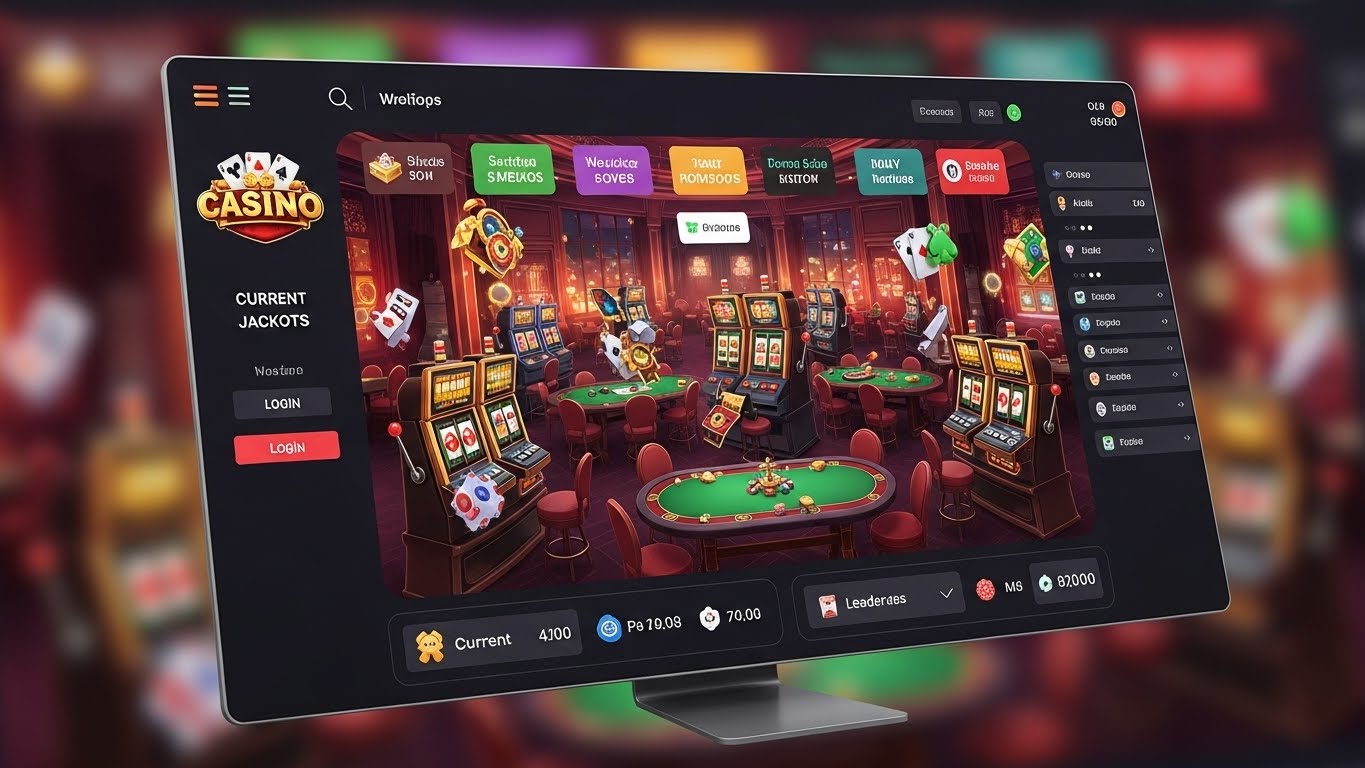
The online casino industry is one of the most prominent segments of iGaming. It has seen substantial growth over the past two decades, thanks to the proliferation of internet access and advancements in digital technology. Traditional brick-and-mortar casinos have long been popular venues for those seeking a taste of excitement and chance, but the advent of online casinos has made it easier for players to enjoy their favorite games without leaving their homes.
Online casinos offer a wide variety of games, from classic table games like roulette, blackjack, and poker to a host of modern video slots and live dealer experiences. The gaming software used by online casinos has advanced to the point where it closely mimics the atmosphere of a real casino, with high-quality graphics, immersive sound effects, and interactive features. For example, live dealer games allow players to interact with real human dealers via video streaming, creating a more authentic casino experience online.
In addition to offering an impressive array of games, online casinos have become more inclusive and accessible to players worldwide. Many casinos now accept a wide range of payment options, including credit cards, e-wallets, and even cryptocurrency, making it easier for players to deposit and withdraw funds securely. Furthermore, the ability to play in multiple languages and currencies has expanded the appeal of online casinos to a global audience.
The Role of Sports Betting in iGaming
Sports betting is another significant aspect of the iGaming world. Online sportsbooks allow users to place bets on a wide range of sporting events, from popular games like football, basketball, and soccer, to niche sports like eSports, rugby, and even virtual sports. The rise of online sports betting has fundamentally changed the way people engage with sports, offering fans the opportunity to wager on games, teams, and individual players in real-time.
The growing popularity of live betting—placing wagers during a game in real time—has made sports betting even more interactive and exciting. Players can place bets on a variety of outcomes, such as which team will score next or whether a player will achieve a specific milestone. This dynamic betting model adds a layer of excitement and engagement for sports fans, allowing them to stay involved with the action throughout the game.
Another key factor contributing to the success of online sports betting is the rise of mobile apps. Mobile technology has made it easier for players to place bets on the go, check odds, and track the progress of their wagers in real-time, whether they are at home, at the stadium, or even traveling abroad. The convenience of mobile sports betting has allowed the industry to reach a wider audience, attracting younger generations who are more likely to use mobile devices for their entertainment and gaming needs.
Virtual Poker and the Growth of Competitive Gaming
Online poker has been a key player in the iGaming space since the early 2000s, and it continues to be one of the most popular online gaming activities. Poker rooms like PokerStars, 888poker, and PartyPoker have attracted millions of players from around the world, offering various forms of poker, such as Texas Hold’em, Omaha, and Seven-Card Stud. The ability to play poker online has not only made the game more accessible to a global audience but has also brought together a community of dedicated players who engage in online tournaments and competitive play.
In addition to traditional poker, the rise of competitive gaming or eSports has given online poker a run for its money. eSports involves competitive video gaming, where professional players and teams compete in organized tournaments with massive prize pools. Popular games like League of Legends, Counter-Strike: Global Offensive, and Dota 2 have established themselves as legitimate sports with dedicated fans, media coverage, and sponsorship deals. As a result, eSports betting has become a rapidly growing segment of the iGaming market.
The cross-over between poker and eSports has led to the emergence of streaming platforms like Twitch and YouTube Gaming, where players can showcase their skills, interact with fans, and build online communities. This has helped bridge the gap between traditional gaming and the burgeoning world of competitive gaming, offering new avenues for revenue generation through sponsorships, advertisements, and even fan donations.
Challenges Facing the iGaming Industry
Despite the rapid growth of the iGaming industry, there are a number of challenges that must be addressed for it to continue thriving. One of the biggest challenges is the issue of regulation. The legal status of online gaming and betting varies significantly from one country to another, with some jurisdictions banning it outright while others have embraced it and created regulatory frameworks to govern its operation. This lack of uniformity can create confusion for both players and operators, as well as limit the industry’s potential for growth.
In regions where iGaming is regulated, operators must comply with a range of strict rules to ensure fairness, transparency, and consumer protection. For example, many jurisdictions require operators to have secure payment processing systems, implement anti-money laundering (AML) measures, and adhere to responsible gaming practices. Operators also need to ensure that they protect the privacy of their users by implementing robust data security measures to prevent breaches.
Another challenge facing the iGaming industry is the issue of gambling addiction. With the increasing ease of access to online gaming platforms, there is a growing concern that some players may develop gambling problems. Online casinos and sports betting platforms have a responsibility to implement responsible gaming policies, such as offering self-exclusion options, setting deposit limits, and providing access to support resources for those who may be struggling with addiction.
The Future of iGaming: Innovations and Trends
Looking ahead, the future of iGaming appears bright, with numerous innovations and trends set to shape the industry in the years to come. One of the most exciting developments is the integration of virtual reality (VR) and augmented reality (AR) technologies. These immersive technologies have the potential to revolutionize online casinos by providing players with highly interactive and realistic gaming experiences. Imagine playing blackjack with a live dealer in a virtual casino that mimics the ambiance of a land-based casino, or experiencing sports betting in a fully immersive 3D environment. The possibilities are endless.
The growth of cryptocurrency is another trend that could have a significant impact on the iGaming industry. Cryptocurrencies like Bitcoin and Ethereum are already being accepted by many online casinos and sportsbooks as payment methods. Cryptocurrencies offer several advantages, including faster transactions, lower fees, and enhanced privacy. As more players and operators embrace digital currencies, we could see the rise of fully blockchain-based iGaming platforms that provide greater transparency and security.
Finally, the ongoing development of artificial intelligence (AI) and machine learning will continue to enhance the user experience in iGaming. AI-powered algorithms can be used to personalize gaming experiences, offer tailored promotions, and improve customer support through chatbots and automated services. Machine learning can also help detect fraudulent activity and improve the fairness of games, ensuring that players enjoy a safe and secure environment.
Conclusion: A Thriving Digital Ecosystem
iGaming has evolved from a niche sector to a global industry with billions of dollars in revenue. Whether it’s online casinos, sports betting, virtual poker, or eSports, the iGaming ecosystem is thriving, driven by advancements in technology and the growing demand for digital entertainment. As the industry continues to expand, operators will need to address challenges such as regulation, security, and responsible gaming, while also embracing innovations that will enhance the player experience.
With the continued rise of virtual reality, cryptocurrency, and artificial intelligence, iGaming is poised to enter a new era, one where the line between online and offline gaming is increasingly blurred. As we look to the future, it is clear that iGaming will play an integral role in the broader entertainment landscape, offering players around the world exciting and accessible opportunities to engage with their favorite games, sports, and competitions.