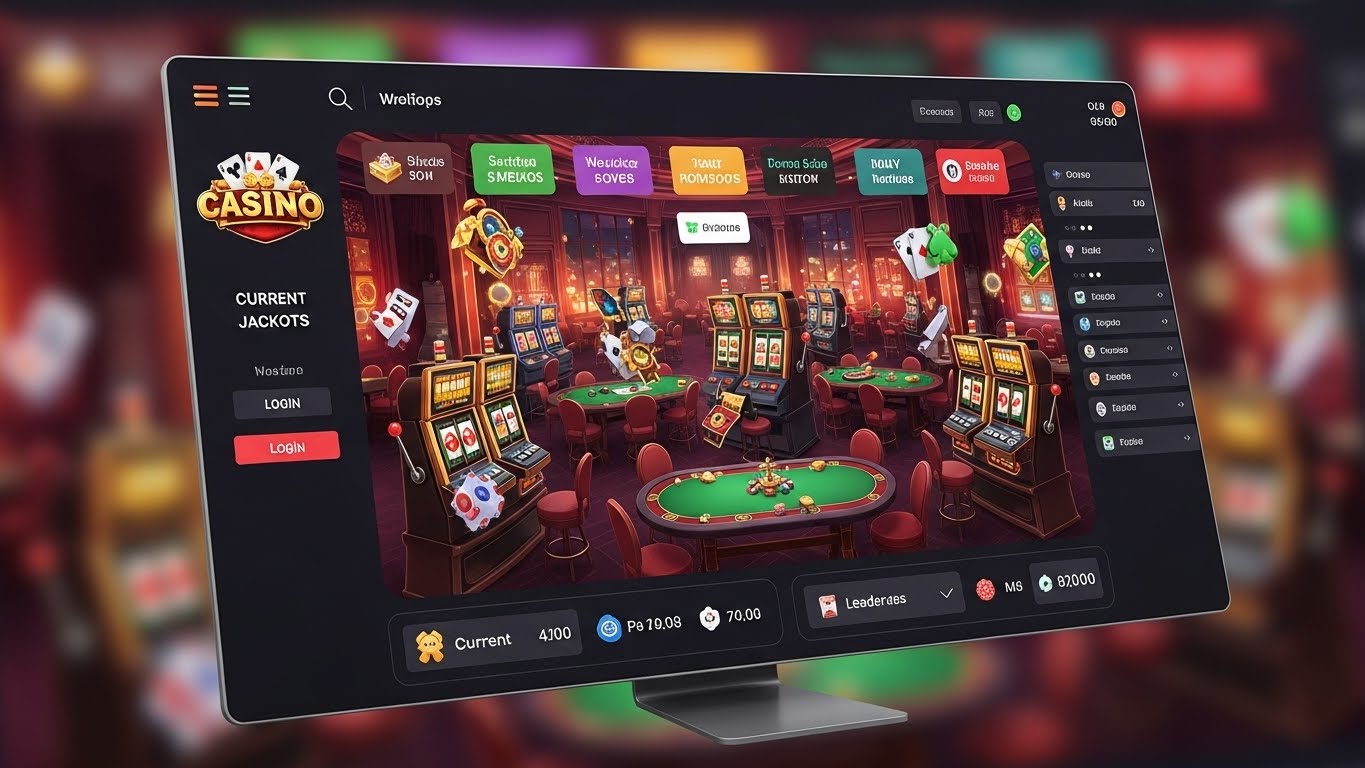
In recent years, the world of gambling has undergone a massive transformation. What was once a purely physical activity confined to brick-and-mortar casinos has evolved into a multi-billion-dollar digital industry. This evolution is largely driven by iGaming, which refers to the practice of gambling through internet-based platforms, including online casinos, sports betting, poker rooms, and other virtual gambling activities.
As technology continues to advance and consumer habits shift, iGaming has experienced exponential growth. It is now a major player in the global gambling industry, with millions of people worldwide engaging in online gaming activities every day. In this blog post, we will explore the rise of iGaming, the factors driving its success, the different types of online gambling, its impact on the global market, and what the future holds for this rapidly growing sector.
What is iGaming?
At its core, iGaming refers to all forms of online gambling that take place over the internet. This includes not only traditional casino games like blackjack, roulette, and slots but also sports betting, virtual poker, and even eSports betting. Essentially, iGaming covers any kind of gambling activity that can be accessed and played on a computer, smartphone, or tablet.
One of the defining features of iGaming is its accessibility. Gamblers no longer need to travel to a physical casino or bookmaker to place bets or play games. Instead, they can access iGaming platforms from the comfort of their own homes, any time of day or night. This ease of access, combined with a wide variety of games and betting options, has contributed to the meteoric rise of iGaming over the past two decades.
The Growth of iGaming: From Niche to Mainstream
Early Days of Online Gambling
Online gambling dates back to the late 1990s, with the first online casinos launching around 1994. These early platforms were simple and basic by today’s standards, offering a limited selection of games with rudimentary graphics and basic functionality. However, they marked the beginning of what would become a revolution in the gambling industry.
In the early days, online gambling was not yet widely accepted, and many governments around the world were hesitant to regulate it. Some countries even banned online gambling entirely, while others simply ignored it. Despite these challenges, the industry began to grow as more people discovered the convenience of online gambling and as technology improved, allowing for better graphics, faster internet speeds, and more secure payment methods.
The 2000s: Expansion and Regulation
By the 2000s, the iGaming industry began to experience rapid growth. The launch of more advanced online casinos, combined with the rise of secure payment gateways like PayPal and credit cards, made it easier and safer for players to gamble online. The introduction of software developers like Microgaming, Playtech, and NetEnt further enhanced the gaming experience by creating more engaging and visually appealing casino games.
At the same time, governments around the world started to take notice of the growing iGaming industry. Some countries, particularly in Europe, began to regulate online gambling, creating legal frameworks that allowed operators to offer their services to players in a secure and controlled environment. The United Kingdom, for example, passed the Gambling Act of 2005, which established a licensing system for online gambling operators and helped legitimize the industry.
By the end of the 2000s, iGaming had become a significant part of the global gambling market. More players were flocking to online platforms, attracted by the variety of games, the ability to play at their own convenience, and the availability of bonuses and promotions.
The 2010s and Beyond: Mobile Gaming and Globalization
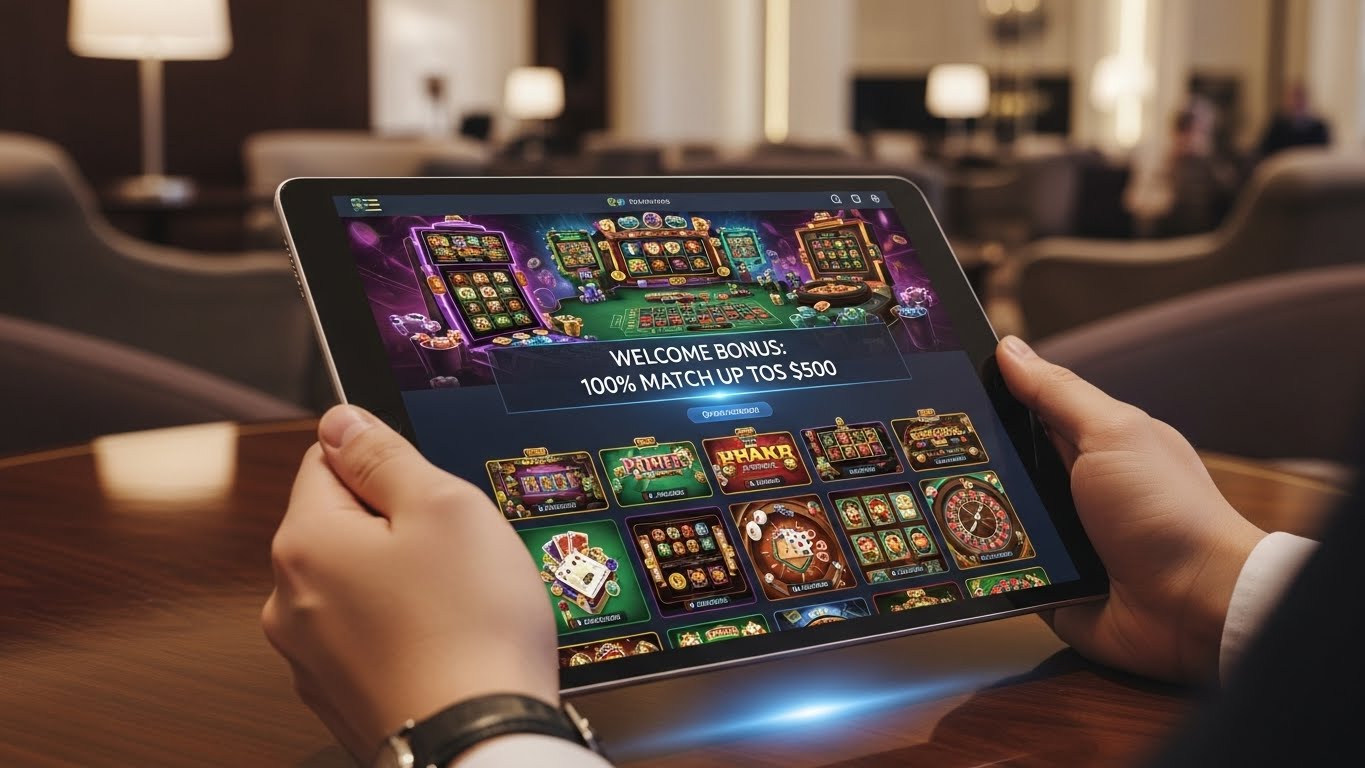
The real game-changer for iGaming came with the rise of mobile technology. With the widespread adoption of smartphones and tablets, gambling on the go became more popular than ever. Online casinos and sportsbooks quickly adapted by developing mobile-friendly platforms, allowing players to place bets or spin slots wherever they were.
This shift to mobile gaming also opened up iGaming to a new audience—millennials and younger generations who were already accustomed to mobile-first experiences. Mobile apps made it easier to access games, participate in live dealer sessions, and place bets on sporting events, all from the palm of your hand. Additionally, the integration of mobile payment solutions like Apple Pay and Google Wallet further streamlined the process of depositing and withdrawing funds.
Meanwhile, the iGaming industry continued to expand globally. While some countries maintained strict regulations or outright bans on online gambling, many others embraced it, seeing the potential for economic growth and job creation. Nations like Malta, Gibraltar, and the Isle of Man became hubs for online gambling companies, offering favorable tax rates and regulatory environments for operators.
Today, iGaming is a truly global phenomenon, with players from virtually every corner of the world participating in online gambling activities. The industry’s value is projected to reach over $100 billion by the mid-2020s, making it one of the fastest-growing sectors in the entertainment industry.
Types of iGaming
iGaming covers a broad spectrum of gambling activities, ranging from traditional casino games to newer forms of betting and virtual competitions. Let’s take a closer look at the most popular categories of iGaming.
Online Casinos
Online casinos are perhaps the most well-known form of iGaming. These platforms replicate the experience of traditional casinos by offering a wide variety of games, including slots, table games (such as blackjack, roulette, and baccarat), and even live dealer games. Players can access these games on their computers or mobile devices, placing bets and spinning the reels without ever leaving their homes.
Many online casinos offer different variations of classic casino games, providing players with a fresh experience each time they log in. These platforms are often designed with sophisticated graphics and user interfaces to ensure a high-quality, immersive experience.
Sports Betting
Sports betting is another major segment of iGaming, allowing players to bet on a wide range of sporting events, from football and basketball to tennis, cricket, and esports. With the rise of online sportsbooks, players can now place bets on games in real time, often with live odds and in-play betting options.
Esports betting has become particularly popular in recent years, as professional video game competitions have gained massive followings. Major esports tournaments like League of Legends World Championship and The International attract millions of viewers, creating a vast audience of potential bettors. Betting on esports offers a new avenue for fans to engage with their favorite games, adding an extra layer of excitement to the viewing experience.
Online Poker
Online poker is one of the oldest and most established forms of iGaming. Platforms like PokerStars and 888poker have been around for over a decade, offering players the chance to compete in poker tournaments and cash games against others from around the world. Online poker has grown into a global community, with both casual players and professional poker pros participating in virtual tournaments for significant cash prizes.
Poker websites often feature a variety of poker variants, including Texas Hold’em, Omaha, and Seven-Card Stud, catering to players of all skill levels. Online poker has also paved the way for live-streamed poker tournaments, where viewers can watch the action unfold and even engage with players through social media.
Virtual Sports and Fantasy Sports
Virtual sports are computer-generated simulations of real-world sports that allow players to place bets on the outcomes of these virtual events. These virtual games are often modeled after traditional sports, such as football, horse racing, and basketball, but the outcomes are determined by random number generators or algorithms rather than real-life performance.
Fantasy sports, on the other hand, allow players to create virtual teams of real-life athletes and compete against each other based on the players’ actual performance in real-world games. Fantasy football, basketball, and baseball are some of the most popular fantasy sports formats, and they have gained a large following in recent years.
The Impact of iGaming on the Global Market
Economic Impact
The rise of iGaming has had a profound impact on the global economy. The industry has created millions of jobs, from software developers and game designers to customer support representatives and marketing professionals. In addition, iGaming has contributed significant tax revenue to countries that regulate online gambling, with jurisdictions like the United Kingdom, Malta, and Curacao benefiting from licensing fees and taxes levied on operators.
Furthermore, the growth of iGaming has sparked a rise in affiliate marketing, where third-party companies earn commissions by promoting online casinos, sportsbooks, and poker rooms. This has created an entire ecosystem around iGaming, with influencers, content creators, and marketing firms playing an important role in promoting the industry.
Legal and Regulatory Challenges
While iGaming has brought substantial economic benefits, it has also faced regulatory challenges. Governments around the world continue to debate how best to regulate online gambling, balancing the desire for economic growth with the need to protect consumers and prevent problem gambling.
Some countries, such as the United States, have been slow to regulate iGaming, leading to a patchwork of state-level laws that vary from one jurisdiction to another. However, other countries have taken a more progressive approach, offering licensing opportunities to operators and ensuring that online gambling is safe, transparent, and fair for players.
The Future of iGaming
Looking ahead, the future of iGaming appears bright. The continued evolution of technology, particularly the rise of virtual reality (VR) and augmented reality (AR), is set to revolutionize the way players experience online gambling. VR casinos, for example, could allow players to enter fully immersive 3D environments where they can interact with dealers and other players in a more realistic and engaging way.
In addition, the growth of mobile gaming and improvements in internet connectivity will continue to drive the expansion of iGaming, making it even more accessible to players around the world. As new markets open up and more countries legalize and regulate online gambling, the iGaming industry is poised for continued growth, with even more players getting involved in the digital gambling revolution.