Introduction
The world of entertainment has changed dramatically over the past few decades, with technology acting as the driving force behind many of these transformations. One of the most notable shifts has been the rise of iGaming—online gaming and gambling. From online casinos to eSports betting, iGaming has become a multi-billion-dollar industry that offers players a variety of experiences right at their fingertips. As technology continues to advance, the boundaries of what’s possible in iGaming continue to expand, providing new opportunities for both players and operators. This blog post explores the growth of iGaming, the factors driving its popularity, and the future potential of this ever-evolving sector.
The Evolution of iGaming
While gambling has existed for centuries, the concept of iGaming—gambling conducted via the internet—only became widespread in the late 1990s. The first online casino was launched in 1994 in Antigua and Barbuda under the Free Trade and Processing Act, which allowed for online gambling licenses. This was a landmark moment for the industry, as it set the stage for the rapid growth of online gaming.
By the early 2000s, a growing number of online casinos, poker rooms, and betting sites began to appear on the internet. This period marked the beginning of a massive shift from traditional brick-and-mortar casinos to digital platforms. The introduction of secure payment methods and the development of software that could offer a realistic casino experience online further fueled this growth. Over time, online gambling expanded into other forms, including sports betting, bingo, and lottery games.
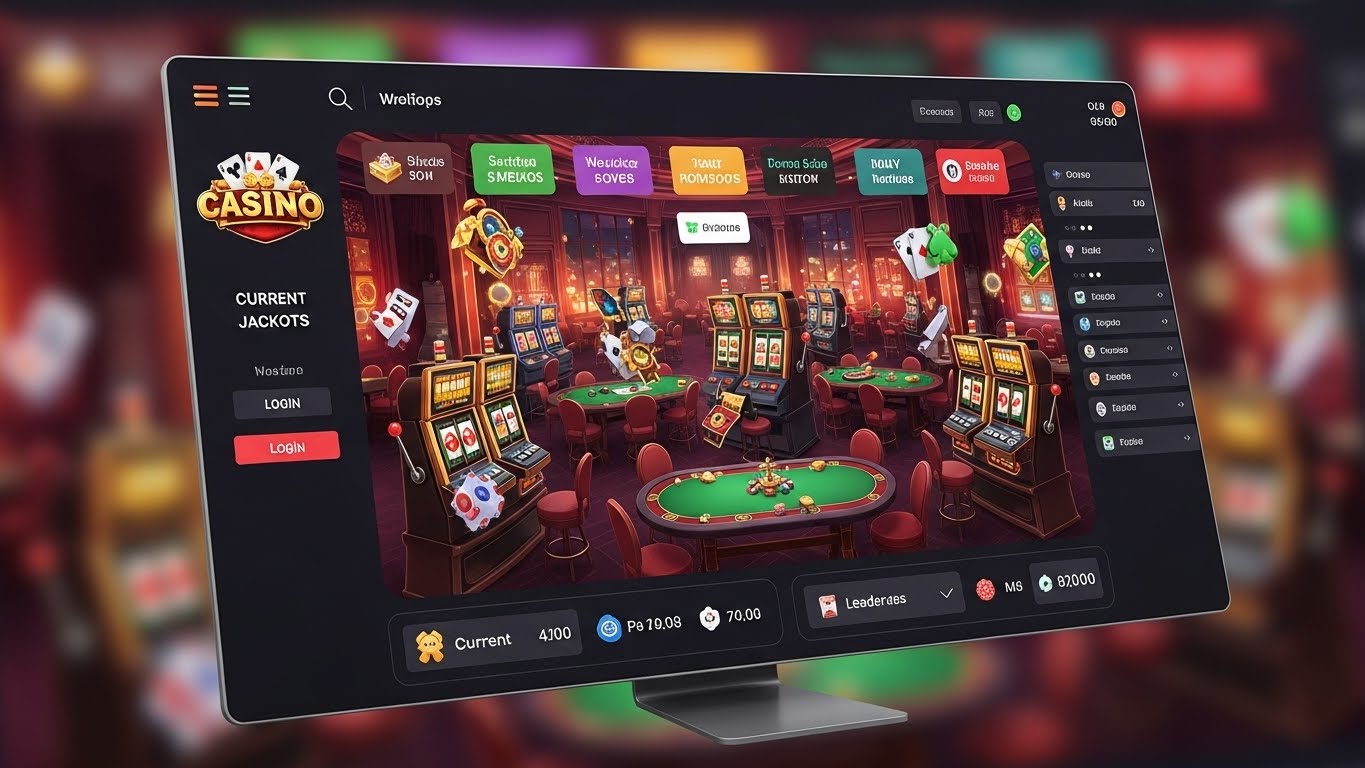
Today, iGaming spans a wide variety of categories, offering everything from virtual slots and card games to live dealer games and interactive sports betting. The advent of mobile gaming has further accelerated this trend, enabling players to access their favorite gambling platforms anytime and anywhere.
The Growth of Mobile iGaming
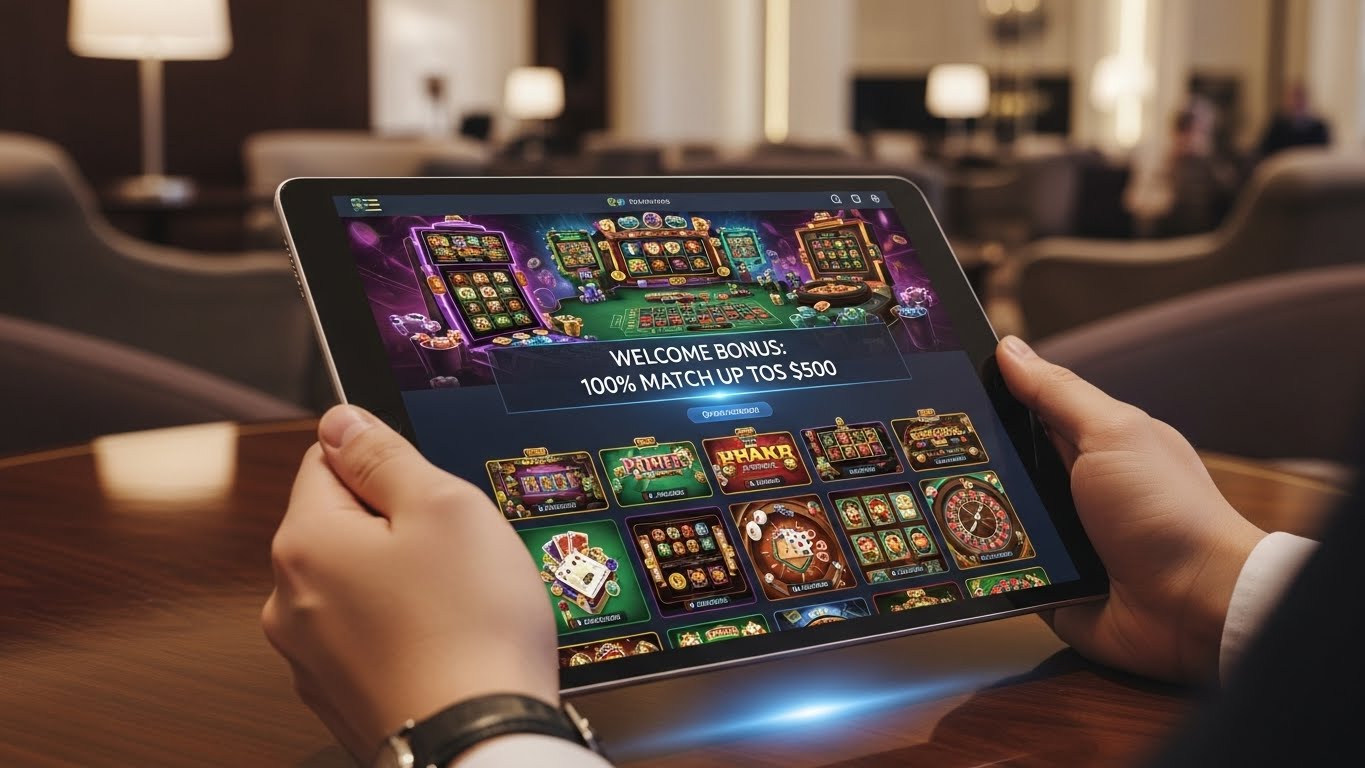
One of the key factors behind the success of iGaming is the rise of mobile technology. Smartphones and tablets have become ubiquitous, and people are increasingly using them for entertainment, including gambling. Mobile casinos and betting apps have allowed players to engage with games on the go, making it easier than ever to place a bet, spin a slot machine, or join a poker game.
Mobile iGaming is appealing because it offers both convenience and flexibility. Players no longer need to travel to a physical casino to enjoy their favorite games. Instead, they can access a full suite of gambling options right from their devices. Many online gambling platforms have invested heavily in mobile-optimized websites and apps, ensuring that the user experience is just as engaging on a smaller screen.
The development of 5G networks is expected to take mobile iGaming to the next level. Faster internet speeds will provide smoother gameplay, higher-quality streaming for live dealer games, and more opportunities for interactive gaming. This technological advancement will likely play a major role in attracting new players and retaining existing ones.
The Role of Online Casinos in iGaming
Online casinos have been at the forefront of the iGaming revolution. Offering an array of traditional casino games, such as blackjack, roulette, and baccarat, online casinos have made it possible for players to enjoy a realistic gaming experience without stepping foot in a physical casino. Advanced software, often powered by live streaming and real-time gaming technology, allows players to interact with professional dealers, providing an authentic atmosphere that mirrors a traditional casino.
Moreover, the development of virtual and 3D slots has introduced a new level of excitement for players. With stunning graphics, immersive soundtracks, and creative themes, online slots have become more popular than ever. Many online casinos also feature progressive jackpots, where players can win life-changing amounts of money from a single spin.
The rise of social casinos, which allow players to engage in friendly competition without the risk of real money gambling, has also contributed to the growth of online casinos. Social casinos use virtual currency or credits, giving players a way to enjoy casino games without financial stakes, which is appealing to a broad audience.
The Emergence of Sports Betting and eSports
In addition to traditional casino games, online sports betting has become a dominant force in the iGaming industry. Sports betting is no longer limited to horse racing or football; punters can now place bets on virtually any sport imaginable—from basketball and tennis to esports and virtual sports. The integration of live betting, where players can place bets during the course of a match or event, has added another layer of excitement for bettors.
The rise of eSports has also played a significant role in the growth of iGaming. eSports—competitive video gaming—has attracted millions of viewers and players, creating an entirely new market for betting. Gamblers can now place bets on eSports tournaments, such as “League of Legends,” “Dota 2,” and “Counter-Strike: Global Offensive.” The popularity of eSports, particularly among younger audiences, has made it a prime target for iGaming operators looking to expand their offerings.
Virtual sports betting is another emerging trend within iGaming. These computer-generated events allow players to bet on simulated sports matches, such as football, horse racing, and tennis. While virtual sports betting operates similarly to traditional sports betting, the key difference is that the events are not real, but instead are simulated by algorithms. The appeal lies in the ability to place bets on events that are available 24/7, without waiting for real-world competitions.
Regulation and Responsible Gambling
As iGaming has gained in popularity, so too has the need for regulation. In many countries, online gambling is subject to strict legal frameworks to ensure that it is conducted in a fair and responsible manner. Licensing authorities, such as the United Kingdom Gambling Commission, Malta Gaming Authority, and others, have implemented rules that require operators to provide safe and secure platforms for players.
Regulation also extends to ensuring that gambling remains a fun and responsible activity. Many online casinos and betting platforms now offer tools to help players control their gambling habits. These include options for self-exclusion, deposit limits, and access to resources for problem gambling support. Responsible gambling is a key issue within the industry, and many iGaming companies are working to promote safer gambling practices.
Additionally, the rise of cryptocurrency and blockchain technology has introduced new opportunities for iGaming regulation. Some platforms now accept Bitcoin and other digital currencies as a form of payment, offering players an extra layer of privacy and security. Cryptocurrencies can help streamline payments and make transactions faster, all while minimizing fraud and chargebacks.
The Social Aspect of iGaming
Despite its digital nature, iGaming has a strong social component. Many platforms allow players to interact with each other through chat features, multiplayer games, and even live tournaments. Online poker rooms, for example, allow players to compete against each other in real-time, often in large tournaments with substantial cash prizes.
Live dealer games, which use real dealers broadcasting from a studio, have also added a social dimension to online casinos. Players can chat with dealers and other players while enjoying traditional table games, which replicates the interaction found in land-based casinos.
Moreover, iGaming has become a hub for social gaming. Platforms offer a variety of community-driven games, where players can collaborate, compete, and share their achievements. Social media platforms, streaming services, and influencer culture have all contributed to the way players connect with one another and share their gaming experiences.
The Future of iGaming
The future of iGaming looks incredibly promising. Technological advancements such as virtual reality (VR) and augmented reality (AR) have the potential to revolutionize the industry by creating even more immersive gaming environments. Players may one day find themselves stepping into fully interactive virtual casinos or participating in live eSports competitions from the comfort of their homes.
In addition, the continued rise of mobile gaming and the expansion of iGaming into emerging markets are expected to drive growth. With internet penetration increasing in regions like Asia, Latin America, and Africa, the global reach of online gambling platforms will only continue to expand.
The integration of artificial intelligence (AI) is another area to watch. AI can help personalize the gaming experience by analyzing player behavior, preferences, and habits, leading to more tailored and engaging experiences. AI could also improve security, making it easier to detect fraudulent activity and ensure a fair gaming environment.
Conclusion
iGaming has evolved from a niche market into a global phenomenon that continues to reshape the entertainment landscape. Thanks to technological advancements, the industry now offers a wide range of options for players, from traditional casino games and sports betting to eSports and virtual sports. The future of iGaming looks bright, with innovations like VR, AI, and mobile gaming set to enhance the player experience. However, as the industry grows, so too does the responsibility to ensure that gambling remains safe, secure, and fair for all involved.
As iGaming continues to evolve, it’s clear that this form of entertainment will only become more integrated into our digital lives, providing players with new and exciting ways to engage, socialize, and have fun.