The world of gambling has undergone a remarkable transformation over the past few decades, and one of the most significant changes has been the rise of iGaming. The term “iGaming” refers to gambling activities that take place via the internet, encompassing everything from online casinos and poker rooms to sports betting and virtual gaming. The growth of iGaming has revolutionized the gambling industry, offering players a new level of convenience, accessibility, and entertainment. In this blog post, we’ll dive deep into the world of iGaming, exploring its rise, the technology that powers it, and what the future holds for this rapidly expanding sector.
The Evolution of iGaming: From Land-Based Casinos to Digital Play
Historically, gambling was an activity confined to physical locations. Whether it was a trip to a land-based casino in Las Vegas, a visit to a local sportsbook, or a night at a poker table with friends, gambling was always about being in the right place at the right time. However, the advent of the internet in the 1990s began to change all of that. The first online casinos emerged in the mid-1990s, allowing players to gamble from the comfort of their own homes. These early platforms offered a limited selection of games, but they marked the beginning of a new era in gambling.
The early days of iGaming were marked by a sense of uncertainty and experimentation. Many players were skeptical about the legitimacy of online gambling, and concerns over fairness, security, and trustworthiness were common. However, as technology advanced and the internet matured, online gambling became more secure, transparent, and regulated. Licensing bodies such as the UK Gambling Commission and the Malta Gaming Authority began to play a vital role in ensuring that online casinos and sportsbooks adhered to strict standards.
By the 2000s, the iGaming industry had exploded, with thousands of online casinos, poker rooms, and sportsbooks available to players worldwide. The rise of mobile technology in the 2010s further accelerated this growth, making it easier than ever for players to access their favorite games on the go.
The Technology Behind iGaming: How the Industry Works
The iGaming industry is built on a foundation of cutting-edge technology, and understanding how this technology works is key to appreciating the scale and complexity of online gambling. At its core, iGaming relies on software development, secure payment systems, and random number generators (RNGs) to provide a fair and entertaining experience for players.
Software Development: The software that powers online casinos and sportsbooks is developed by specialized companies known as iGaming providers. These providers create the games, platforms, and user interfaces that players interact with. Some of the biggest names in iGaming software include Microgaming, Playtech, and NetEnt, all of which offer a wide range of games from classic slots to live dealer experiences.
Random Number Generators (RNGs): One of the cornerstones of fairness in online gambling is the use of Random Number Generators (RNGs). RNGs are algorithms that ensure that game outcomes are completely random and unbiased. In traditional land-based casinos, the randomness of game results is guaranteed by physical processes such as the roll of dice or the shuffle of cards. In online games, RNGs perform a similar function, generating unpredictable results that are impossible to manipulate.
Live Dealer Technology: Live dealer casinos represent a unique blend of land-based and online gambling. These casinos feature real dealers who run games like blackjack, roulette, and baccarat in real-time. The action is broadcasted via high-definition video streams, allowing players to interact with the dealer and other participants. Live dealer technology has helped bridge the gap between traditional casinos and iGaming, offering a more immersive experience for online players.
Payment Solutions: Secure and reliable payment systems are essential to the success of iGaming platforms. Online casinos and sportsbooks support a wide range of payment methods, including credit cards, e-wallets, bank transfers, and cryptocurrency. The rise of blockchain technology and digital currencies such as Bitcoin has also opened up new avenues for secure and anonymous transactions in the iGaming space.
iGaming and Mobile: The Shift to On-the-Go Gambling
One of the most significant factors behind the rapid growth of iGaming has been the proliferation of mobile devices. Smartphones and tablets have changed the way people interact with the world, and gambling is no exception. In the early days of online gambling, players were required to use desktop computers to access online casinos and sportsbooks. However, as mobile technology improved, developers began optimizing games for smartphones, allowing players to enjoy their favorite games anywhere and anytime.
Today, mobile iGaming is a dominant force in the industry. The majority of online gambling platforms offer dedicated mobile apps, while many also have mobile-optimized websites that work seamlessly on smartphones and tablets. Mobile gambling has made it easier than ever for players to place bets, play casino games, and even participate in live dealer experiences while on the go. This convenience has attracted a new generation of players, particularly younger users who value accessibility and flexibility.
Mobile iGaming has also contributed to the rise of “micro-betting,” where players can place small bets on a wide range of events. For example, sports bettors can place wagers on individual plays or outcomes during live games, rather than waiting until the end of a match. This “in-play” betting has made mobile sports betting even more engaging and interactive.
The Rise of Online Casinos: Games, Bonuses, and Player Experience
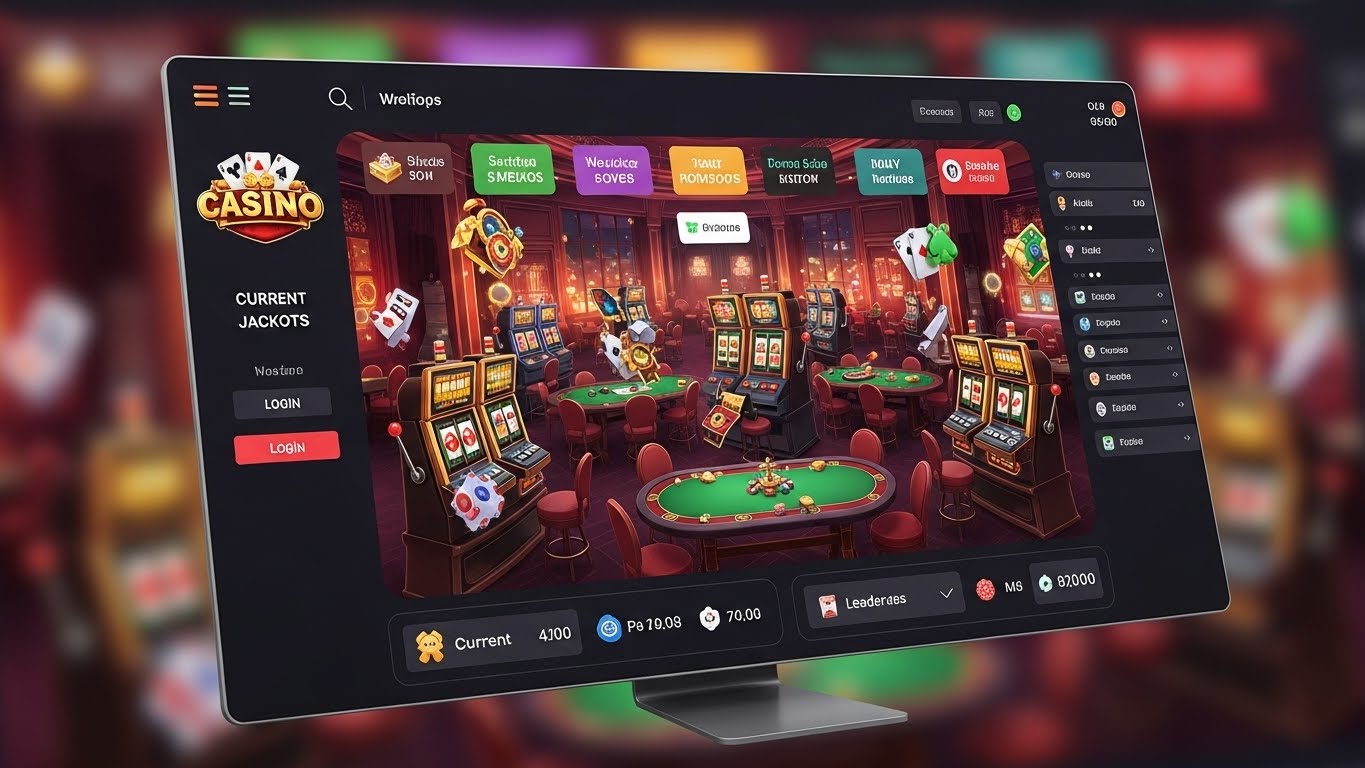
At the heart of the iGaming industry lies the online casino, which offers a wide range of games designed to entertain and challenge players. Online casinos feature everything from classic slot machines to video poker, roulette, blackjack, and baccarat. Each game is powered by sophisticated algorithms and RNGs to ensure fairness and randomness.
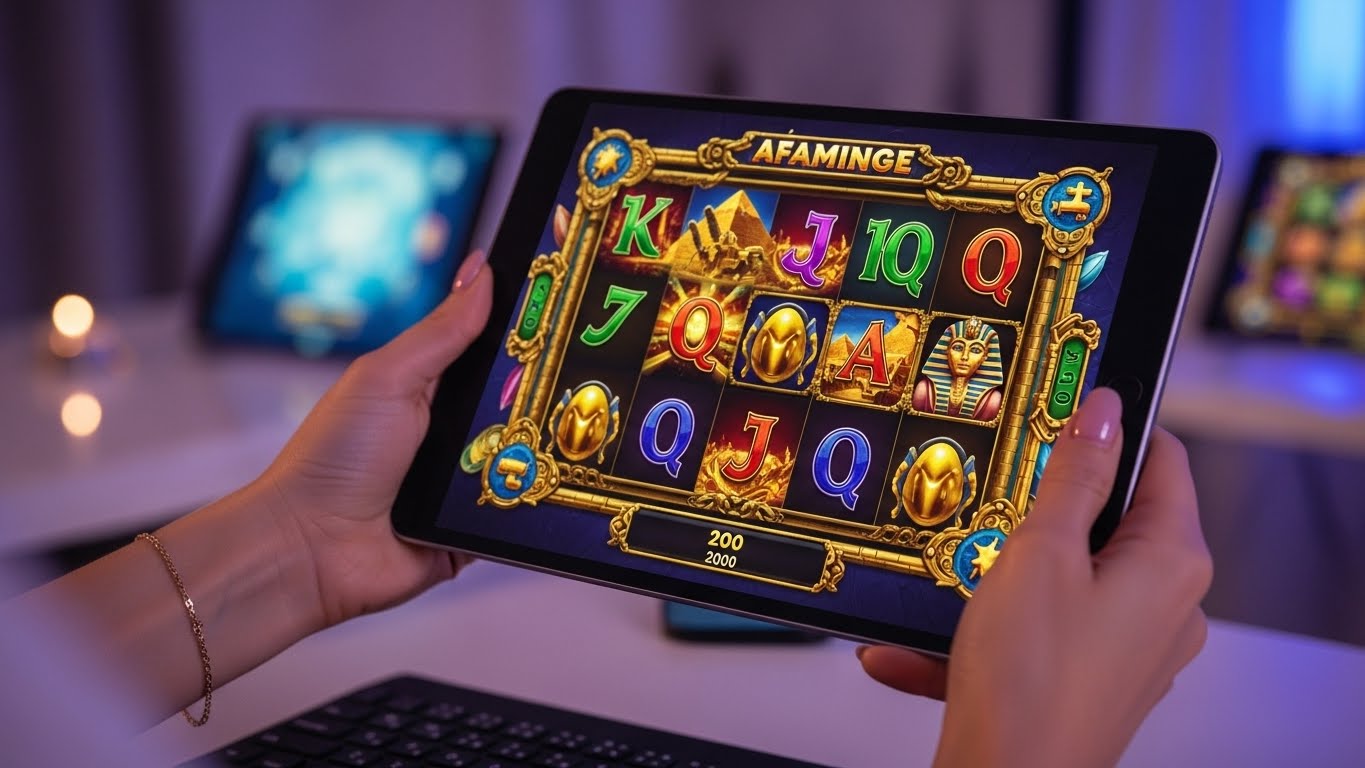
Slot Games: Slots are by far the most popular games in online casinos. These games are easy to play, require no skill, and offer the potential for large payouts. Modern online slots come in a variety of themes, including popular movies, TV shows, and fantasy worlds. Many online casinos also offer progressive jackpot slots, where the jackpot increases with each spin until someone wins it.
Table Games: Traditional table games such as blackjack, roulette, and baccarat have also found a home in the online casino world. These games are often available in multiple variations, with different rules and betting options. Blackjack, in particular, is a favorite among players who enjoy strategy, as the objective is to get as close as possible to 21 without going over.
Poker Rooms: Online poker has become one of the most popular forms of iGaming, with millions of players participating in virtual poker tournaments and cash games. Platforms like PokerStars and 888poker offer a wide range of poker variations, including Texas Hold’em, Omaha, and Seven Card Stud. Online poker rooms allow players to compete against others from around the world, and many poker sites host major tournaments with large prize pools.
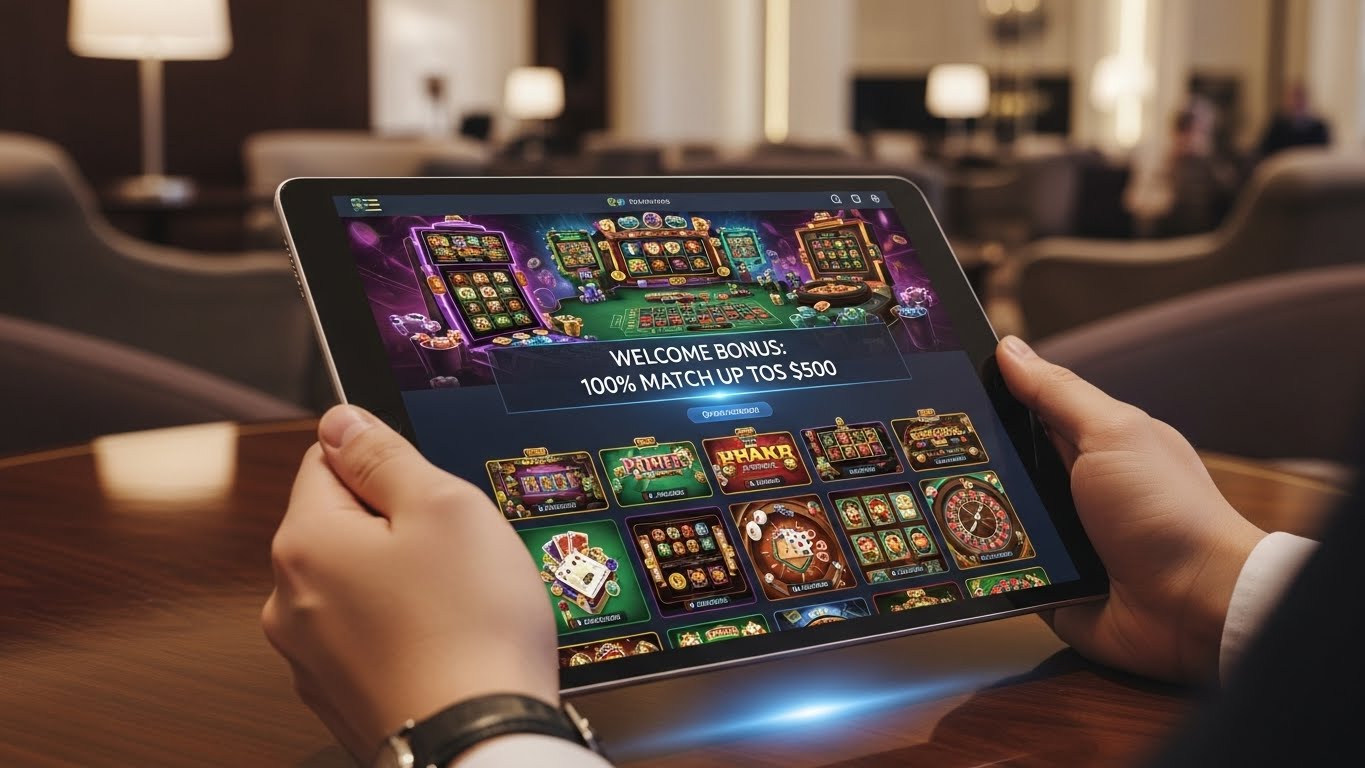
Bonuses and Promotions: One of the key ways that online casinos attract and retain players is through bonuses and promotions. These incentives can range from welcome bonuses for new players to loyalty programs for regular users. Common types of bonuses include deposit bonuses, no-wagering bonuses, and free spins on slot games. While bonuses can be a great way to boost your bankroll, it’s essential for players to read the terms and conditions carefully to understand any wagering requirements.
Sports Betting: A Key Pillar of the iGaming Industry
Sports betting has long been one of the most popular forms of gambling, and the rise of iGaming has brought this tradition into the digital age. Online sportsbooks allow players to place bets on a wide range of sports, including football, basketball, soccer, tennis, and even esports. The availability of live sports betting has taken this experience to new heights, allowing users to place bets in real time as games unfold.
The legalization of online sports betting in several regions, particularly in the United States, has further fueled the growth of iGaming. Platforms like DraftKings and FanDuel have capitalized on the growing demand for sports betting, offering users not only traditional betting options but also daily fantasy sports (DFS) and other innovative wagering formats.
Esports betting is another rapidly growing segment within the world of sports betting. As esports competitions attract massive audiences and significant prize pools, betting on games like League of Legends, Counter-Strike: Global Offensive, and Dota 2 has become increasingly popular. Esports betting offers a unique blend of traditional sports wagering and gaming culture, making it particularly appealing to younger generations.
The Future of iGaming: Innovations and Trends to Watch
As technology continues to evolve, the future of iGaming is filled with exciting possibilities. From advancements in virtual reality (VR) and augmented reality (AR) to the integration of artificial intelligence (AI), the next few years could bring a wave of innovations that change the way we experience online gambling.
Virtual Reality (VR) and Augmented Reality (AR): One of the most exciting possibilities for the future of iGaming is the integration of VR and AR technology. VR casinos could offer players fully immersive environments where they can interact with dealers, players, and the game itself in a 3D space. AR, on the other hand, could bring elements of the virtual world into the real world, enhancing the overall gaming experience.
Blockchain and Cryptocurrency: Blockchain technology and cryptocurrencies like Bitcoin and Ethereum are increasingly being integrated into iGaming platforms. Blockchain can offer enhanced transparency, security, and fairness, while cryptocurrencies provide players with an anonymous and decentralized way to make transactions. Some online casinos have already started accepting cryptocurrency deposits and withdrawals, and this trend is expected to grow.
Artificial Intelligence (AI): AI has the potential to revolutionize various aspects of iGaming, from personalized recommendations to advanced customer support. AI-powered chatbots can offer instant assistance to players, while machine learning algorithms can analyze player behavior to offer customized promotions and bonuses.