Introduction
The video game industry has undergone tremendous evolution over the decades, and with that evolution has come an increasing fascination with its own history. Players who grew up with the classics often yearn to experience them again, but in a form that aligns with today’s technological standards. Developers, recognizing both the financial opportunity and the nostalgic demand, have increasingly invested in remasters and remakes. These projects do more than just recycle old content—they breathe new life into beloved titles, bridging the gap between past and present.
The rise of game remasters and remakes is not just a trend but a reflection of the industry’s maturation. Where once the focus was entirely on innovation and new intellectual properties, today we see a deep respect for legacy content. This shift speaks volumes about how games are perceived—not just as fleeting entertainment but as cultural touchstones worthy of preservation and reimagining.
Defining Remasters and Remakes
Before diving into their rise, it is important to distinguish between remasters and remakes. Though often used interchangeably by casual players, these terms refer to distinct processes in game development.
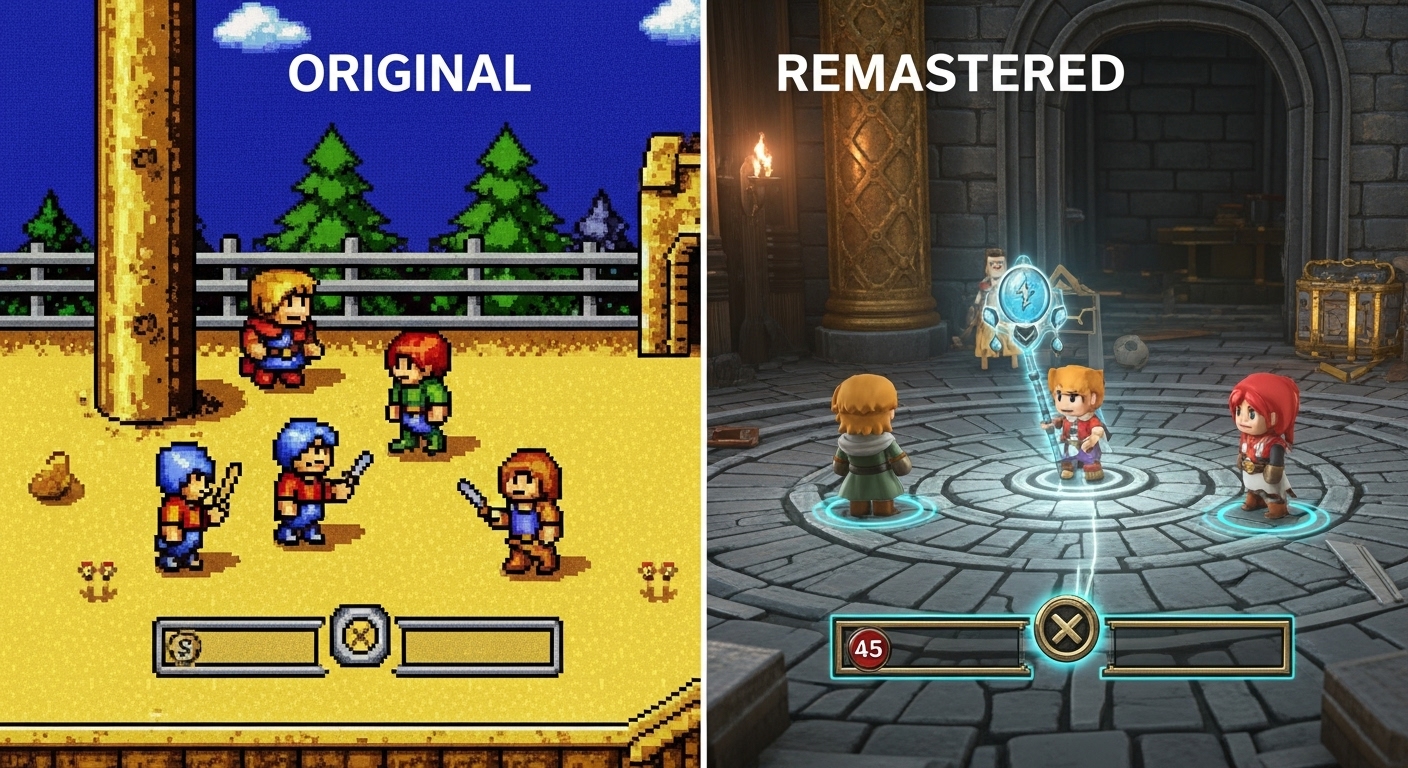
A remaster typically involves taking an older game and upgrading it for modern platforms. This may include higher resolution graphics, better textures, improved audio quality, and minor gameplay adjustments. The core of the game remains largely unchanged, preserving the original mechanics and content. A good example of this would be when a classic console game is re-released in high-definition for modern consoles or PC.
A remake, on the other hand, goes much further. It is a reimagining of the original game, often rebuilt from the ground up using modern technology. While the storyline and characters may stay true to the original, gameplay mechanics, visuals, and even design philosophy can be completely overhauled. Remakes aim to preserve the spirit of the original while making it feel like a new experience, accessible and engaging for contemporary audiences.
The Nostalgia Factor
Nostalgia is one of the most powerful drivers behind the popularity of remasters and remakes. Players who grew up in the 1980s, 1990s, or early 2000s often have fond memories of the games they played during their childhood and adolescence. These games formed not just entertainment experiences but emotional bonds, shaping friendships, creativity, and even life philosophies.
As these players grow older, their purchasing power also increases, making them a valuable demographic for developers. By tapping into nostalgia, game studios can appeal to both older fans who want to relive their cherished experiences and younger players curious about classics they may have missed. The success of remasters and remakes demonstrates how video games, much like music and film, hold lasting sentimental value across generations.
Technological Advancements
Another key reason behind the rise of remasters and remakes lies in technological progress. The leaps in graphics, sound, and gameplay design over the past few decades have been monumental. A game that once seemed groundbreaking might feel outdated or clunky to modern players.
Remasters allow developers to showcase the original vision of a game with modern hardware, often addressing limitations that existed due to older technology. Remakes go even further, enabling developers to reimagine entire worlds with today’s powerful engines, realistic physics, and immersive audio. The result is that players can experience familiar stories with a level of immersion that was impossible at the time of the original release.
Preserving Gaming History
Just as film restoration and book reprints preserve cultural history, remasters and remakes serve as a means of protecting gaming heritage. Unlike books and movies, which can often be accessed decades after their release, many games become unplayable as hardware becomes obsolete. Classic titles from older consoles may require specific systems that are difficult to find or maintain.
By remastering or remaking games, developers ensure that these cultural artifacts remain accessible to future generations. In doing so, they help maintain the legacy of gaming as an art form, ensuring iconic characters, stories, and mechanics are not lost to time. Preservation is becoming a vital part of the industry’s mission, as players increasingly recognize the importance of their medium’s history.
The Financial Incentive
From a business perspective, remasters and remakes are highly appealing. Developing an entirely new intellectual property carries significant risks. There is no guarantee that new characters, stories, or mechanics will resonate with players. By contrast, remasters and remakes rely on established brands with built-in fan bases, reducing the risk of failure.
Moreover, remakes often cost less to develop than entirely new games, since the foundation—story, characters, and world—is already in place. When marketed effectively, they can generate impressive returns on investment. The financial incentive ensures that publishers continue to pursue these projects, fueling the steady rise of remasters and remakes across the industry.
Appealing to Multiple Generations
One of the most fascinating aspects of remasters and remakes is their ability to connect generations of gamers. Older fans get to revisit the experiences that shaped their youth, while new players are introduced to iconic titles that they might never have otherwise encountered. This intergenerational appeal broadens the audience significantly.
Parents who grew up playing a certain game may now introduce it to their children through a modern remake, sharing the experience across age groups. This strengthens the cultural relevance of these games and ensures that their impact endures across decades.
Evolving Player Expectations
Modern gamers expect a certain level of quality in terms of graphics, controls, and storytelling. Older games, while charming in their own ways, often fall short of these expectations. Clunky controls, outdated save systems, or limited accessibility features can make it difficult for younger players to appreciate classics in their original form.
Remasters and remakes allow developers to modernize these aspects, making games more approachable without sacrificing the essence of the original. Improved controls, updated interfaces, and enhanced accessibility options make remakes appealing not just to nostalgic fans but to an entirely new audience accustomed to today’s gaming standards.
Iconic Examples of Remakes and Remasters
Over the years, numerous remakes and remasters have made a mark on the industry. Titles once considered relics of the past have been revitalized to great acclaim. These examples highlight how powerful the trend has become.
Some remasters faithfully upgrade visuals while keeping gameplay intact, maintaining the original charm while polishing the presentation. Others completely overhaul mechanics, storytelling, and even pacing, transforming the experience into something new while honoring the source material. These examples show the wide spectrum of approaches developers can take when reimagining classic titles.
The Balance Between Faithfulness and Innovation
One of the biggest challenges developers face in creating remakes and remasters is striking the right balance between staying faithful to the original and introducing innovation. Too much deviation risks alienating loyal fans who want to relive the original experience. Too little change risks making the project feel redundant or unworthy of attention.
The most successful remakes manage to capture the essence of the original while enhancing it with modern design. This balance requires careful decision-making, often informed by fan feedback, playtesting, and the developer’s own vision. When done well, the result is a game that feels simultaneously nostalgic and fresh.
The Role of Community and Fan Expectations
Fan communities play a huge role in the success of remasters and remakes. Many players are deeply attached to specific titles, and their expectations can shape the reception of these projects. Developers must listen carefully to fan desires while also making creative decisions that serve the game’s best interests.
Sometimes, high expectations can be difficult to meet. If a remake fails to capture the spirit of the original or introduces controversial changes, backlash can be severe. On the other hand, when developers exceed expectations, they earn lasting goodwill and praise from fans. Community engagement is therefore an essential part of the remaster and remake process.
Cultural and Artistic Recognition
The rise of remasters and remakes also reflects the growing recognition of games as cultural and artistic works. Much like classic films receive restorations or music albums get remastered for new formats, video games are now viewed as important pieces of cultural history worth preserving and celebrating.
By re-releasing classics in updated forms, developers acknowledge the artistic merit of their earlier works and offer them to a new generation of critics, scholars, and players. This recognition strengthens the case for games as a legitimate art form, contributing to their place in broader cultural discussions.
Challenges in Creating Remasters and Remakes
Despite their popularity, remasters and remakes are not without challenges. Developers must deal with issues such as outdated code, lost assets, and legal complications surrounding licenses or music rights. Rebuilding games from the ground up requires significant resources, and balancing fan expectations with creative innovation can be daunting.
Additionally, there is the question of oversaturation. As more companies release remasters and remakes, there is a risk that the market may become crowded. Players may begin to feel fatigued if too many projects rely on nostalgia rather than offering something new. Striking a balance between honoring the past and building the future is a key challenge for the industry.
The Impact on Game Development
The success of remasters and remakes has influenced how studios plan their development cycles. Some companies now allocate resources specifically for revisiting older titles, treating them as an integral part of their portfolio. This has created new opportunities for developers, artists, and designers to engage with classic material while applying modern techniques.
It also sparks conversations about which titles deserve to be remade. Fans often speculate and campaign for remakes of their favorite classics, creating a feedback loop that can influence publisher decisions. The rise of remasters and remakes has therefore reshaped the way developers interact with their audience and plan their projects.
The Future of Remasters and Remakes
Looking ahead, the trend of remasters and remakes shows no signs of slowing down. With ever-advancing technology, developers will continue to find innovative ways to reimagine classic experiences. Virtual reality, artificial intelligence, and photorealistic graphics could all play a role in how remakes evolve in the coming years.
As the medium continues to grow, the catalog of classic games ripe for revitalization will only expand. We may see more ambitious projects that blur the line between preservation and reinvention, ensuring that the history of gaming remains vibrant and relevant for decades to come.
Conclusion
The rise of game remasters and remakes is a testament to the enduring power of video games as cultural artifacts. They represent a bridge between past and present, nostalgia and innovation, preservation and reinvention. For players, they offer a chance to relive cherished experiences or discover legendary titles for the first time. For developers and publishers, they present both an artistic challenge and a lucrative opportunity.
Ultimately, remasters and remakes remind us that the history of gaming is worth celebrating. Far from being relics of the past, classic games continue to inspire and delight, proving that great experiences can transcend time when given the chance to shine anew.