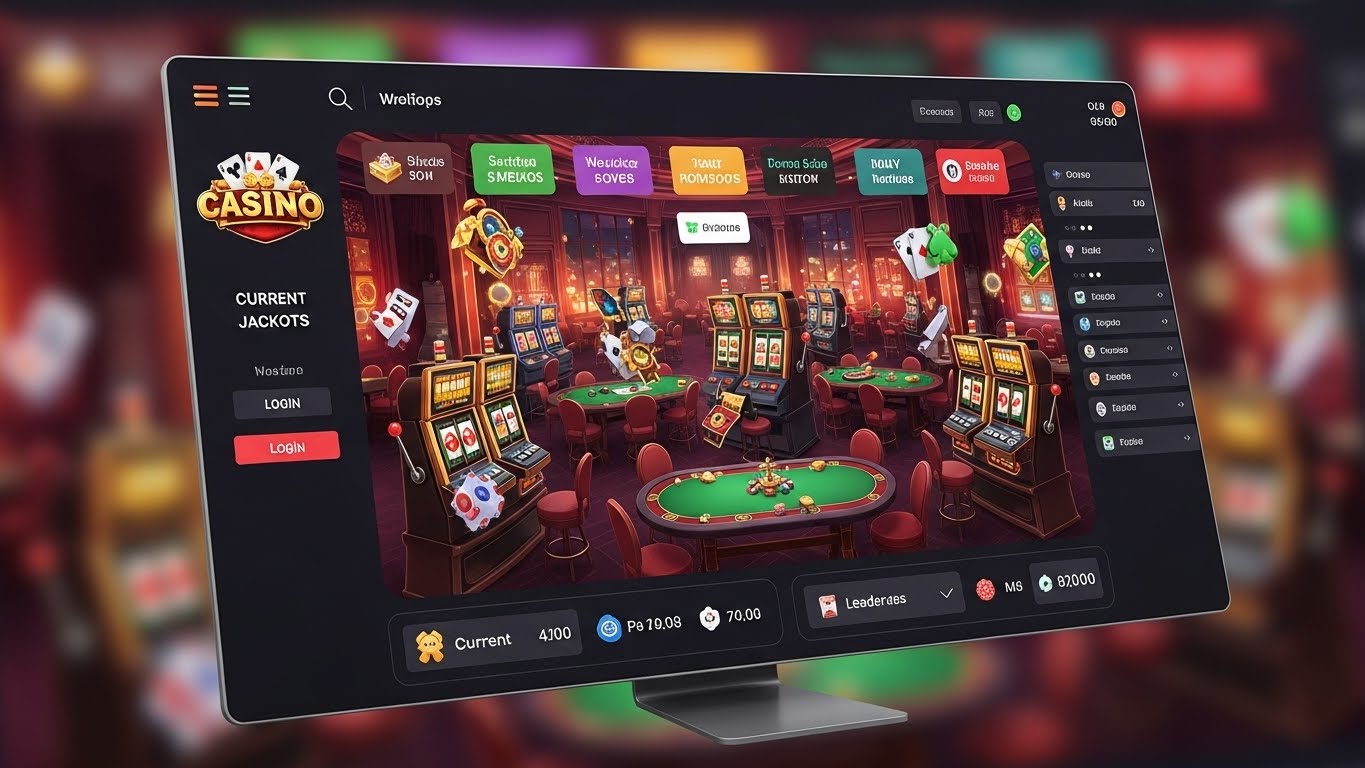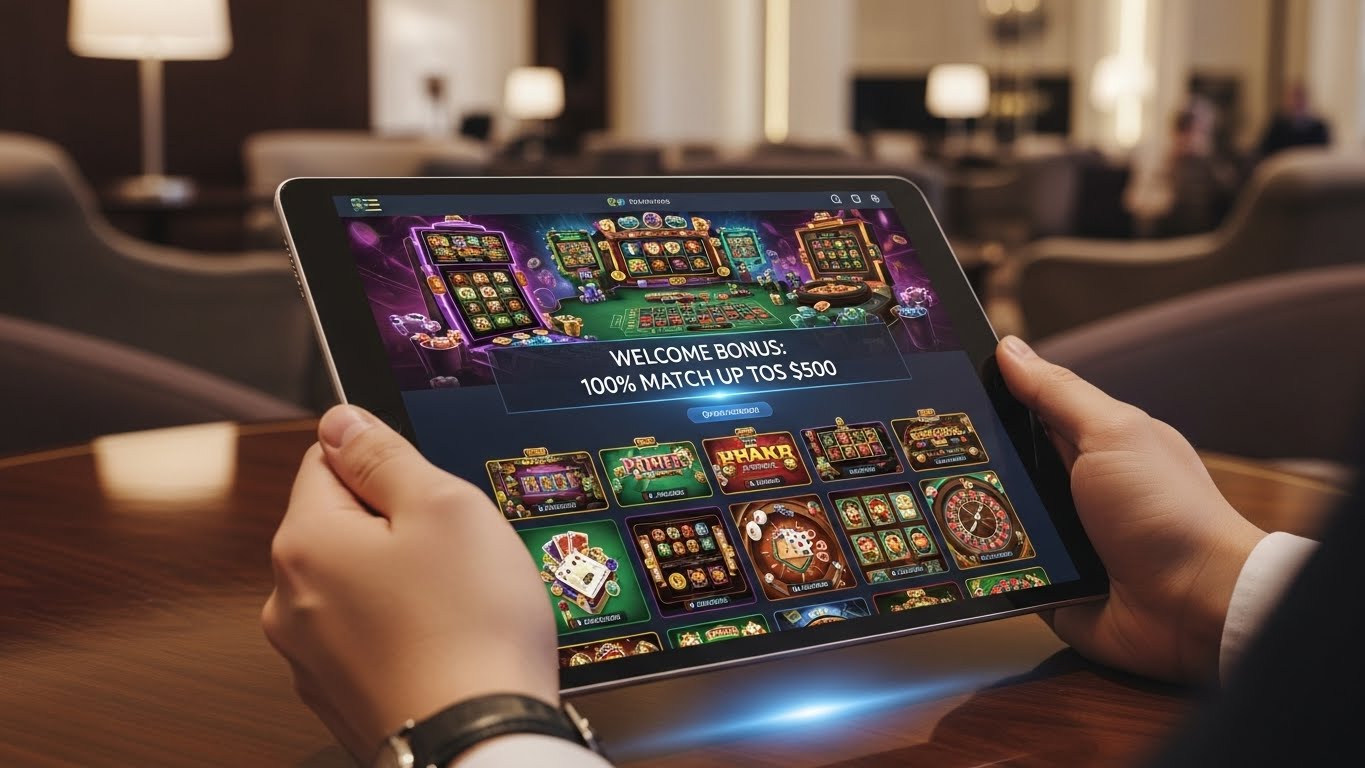
iGaming, short for Internet Gaming, refers to all forms of online gambling activities, including online casino games, poker, sports betting, bingo, and esports wagering. As the world increasingly embraces digital transformation, the iGaming industry has experienced a meteoric rise, becoming one of the most rapidly growing sectors in the global economy. From its humble beginnings in the mid-1990s to its current status as a multibillion-dollar industry, iGaming continues to evolve, shaping the way people engage with gambling and entertainment.
This blog post will explore the evolution of iGaming, its current landscape, the technology driving its growth, and the future trends that could reshape this dynamic industry.
The Early Days of iGaming: A New Era of Gambling
The story of iGaming dates back to the early days of the internet. In the mid-1990s, the introduction of the first online casino revolutionized the gambling world. The first major milestone came in 1994 when Antigua and Barbuda passed the Free Trade & Processing Act, which allowed online casinos to be licensed and operate legally. Shortly thereafter, companies like Microgaming and CryptoLogic started developing the first online gambling software, enabling players to place bets on casino games and poker hands from the comfort of their homes.
In the beginning, the selection of games was limited, and the internet speeds were relatively slow, leading to a less-than-optimal gaming experience. However, the appeal of being able to gamble without leaving home attracted an ever-growing number of players. As the internet matured and technology improved, iGaming became more user-friendly, and the industry began to grow exponentially.
The Rise of Online Casinos and Sports Betting
As internet connectivity improved and digital payment systems became more secure, online casinos began to proliferate. In the early 2000s, major casino operators like PartyPoker, PokerStars, and 888 Casino entered the iGaming scene, offering a wide variety of games ranging from blackjack and roulette to slot machines and video poker.
One of the biggest breakthroughs in the iGaming industry was the development of live dealer games. These games allowed players to interact with real dealers in real-time through live video streams, creating an immersive gambling experience. Live dealer technology was a game-changer, as it bridged the gap between traditional land-based casinos and online gambling platforms, making iGaming even more appealing to a global audience.
Parallel to the growth of online casinos, sports betting also began to take off in the digital world. In 2000, companies like Betfair and Bet365 began offering online sports betting platforms where users could place wagers on a variety of sporting events. The rise of in-play betting, where users could place bets during live games, further fueled the popularity of online sports betting.
By the mid-2010s, mobile gaming also became a major factor in the growth of iGaming. With the advent of smartphones and tablets, players could now gamble on-the-go, making iGaming even more accessible and convenient. Mobile optimization of websites and dedicated gambling apps provided a seamless experience for players, further accelerating the industry’s expansion.
iGaming’s Technological Backbone: Innovation and Advancements
The rapid growth of iGaming can be attributed to several key technological advancements that have enhanced the player experience and improved operational efficiency for operators.
1. Software Development and RNG (Random Number Generators)
At the heart of online gambling is the software that powers the games. Early iGaming platforms relied on basic algorithms and simple graphics, but today’s online casinos and sportsbooks feature cutting-edge software with high-quality graphics, sound effects, and innovative game mechanics. Companies like Microgaming, NetEnt, and Playtech have developed some of the most popular games in the industry, ensuring a wide selection of engaging options for players.
One critical technology that ensures fairness in online gambling is the use of Random Number Generators (RNGs). These algorithms generate random outcomes for games like slots, blackjack, and roulette, ensuring that the results are fair and unpredictable. The integrity of RNGs is regularly tested by third-party auditing firms to guarantee that games meet industry standards for fairness.
2. Cryptocurrency and Blockchain Integration
In recent years, cryptocurrency has made its way into the iGaming sector, offering players an alternative payment method that is faster, more secure, and anonymous. Bitcoin, Ethereum, and other cryptocurrencies have become increasingly popular for depositing and withdrawing funds at online casinos and sportsbooks.
Blockchain technology, the underlying system behind cryptocurrencies, also has the potential to revolutionize the iGaming industry. By providing transparent and immutable records of all transactions, blockchain can improve trust between operators and players. Additionally, some iGaming platforms are exploring decentralized applications (dApps) that could further disrupt the traditional model of online gambling.
3. Virtual Reality (VR) and Augmented Reality (AR)
The introduction of Virtual Reality (VR) and Augmented Reality (AR) technologies has the potential to bring iGaming to the next level. VR casinos are already emerging, offering players the chance to immerse themselves in a virtual environment where they can interact with other players and dealers in a 3D space. Similarly, AR is being used to enhance sports betting experiences, allowing users to visualize live data overlays and statistics in real-time as they place their wagers.
These technologies promise to make online gambling even more immersive, engaging, and social, blurring the lines between digital and physical casinos.
The Legal Landscape of iGaming: Regulation and Compliance
As iGaming continues to grow, the legal and regulatory framework surrounding the industry has become more complex. Different countries have different laws governing online gambling, and some jurisdictions have more lenient regulations, while others have strict rules or outright bans on online betting.
One of the major concerns for both operators and players is the issue of responsible gambling. To address this, many iGaming operators have implemented measures to prevent gambling addiction, such as setting deposit limits, offering self-exclusion options, and providing access to responsible gambling resources. Regulators in several jurisdictions also require operators to implement strict KYC (Know Your Customer) and AML (Anti-Money Laundering) procedures to prevent fraud and protect vulnerable players.
In recent years, there has been a growing movement toward legalizing and regulating online gambling in more countries. For example, in the United States, the legalization of online sports betting has been progressing rapidly following a Supreme Court ruling in 2018 that overturned a federal ban on sports wagering. Today, many states have legalized online gambling, and the market is expected to continue growing.
The Future of iGaming: Trends and Predictions
The iGaming industry is expected to continue its upward trajectory in the coming years, with several trends shaping the future of online gambling.
1. Esports Betting
Esports has become a global phenomenon, with millions of fans watching competitive gaming events across various platforms. The rise of esports has also led to a surge in esports betting, where players can wager on the outcomes of major gaming tournaments like League of Legends World Championship and The International (Dota 2). Esports betting is expected to become a significant segment within the iGaming industry as it attracts a younger, tech-savvy audience.
2. Personalization and AI
As the iGaming industry becomes more competitive, operators are increasingly turning to artificial intelligence (AI) and data analytics to enhance the user experience. AI can be used to personalize gaming recommendations, optimize customer service, and detect fraudulent behavior. Additionally, AI-powered chatbots are being employed to provide 24/7 support to players, enhancing overall customer satisfaction.
3. Sustainability and Social Responsibility
In response to growing concerns about the environmental impact of digital operations, the iGaming industry is increasingly focusing on sustainability. Operators are adopting eco-friendly practices, such as using renewable energy for data centers and reducing their carbon footprint. Furthermore, there is a growing emphasis on social responsibility, with operators investing in programs to promote responsible gambling and contribute to local communities.
Conclusion: iGaming’s Bright Future
The iGaming industry has come a long way since its inception, evolving into a global powerhouse that provides entertainment to millions of players worldwide. From the early days of basic online casinos to the cutting-edge technologies of VR and blockchain, iGaming has continuously adapted to meet the demands of players and the challenges of a rapidly changing digital landscape.
As the industry continues to grow, technological innovation, regulatory advancements, and a focus on player safety will remain crucial to its success. Whether through esports betting, cryptocurrency integration, or immersive VR experiences, the future of iGaming looks incredibly promising, and players can expect even more exciting developments in the years to come.