Introduction: Understanding iGaming
iGaming, or interactive gaming, refers to the digital platforms that allow people to engage in betting, gambling, and other game-based activities online. Unlike traditional gambling that takes place in casinos or physical venues, iGaming brings the experience directly to personal devices, making it more accessible, versatile, and interactive. The sector includes online poker, sports betting, casino games, bingo, and emerging innovations like virtual sports and skill-based games.
The growth of iGaming reflects broader trends in digital entertainment and technology. It has transformed how people experience games of chance and skill, offering convenience, innovation, and new social opportunities. In this blog, we will explore the history, technology, market trends, cultural impact, and future potential of iGaming.
The Evolution of iGaming
iGaming has roots in the early days of the internet. In the late 1990s, the first online casinos appeared, offering digital versions of blackjack, roulette, and slot machines. Players could access these platforms from their computers, a revolutionary shift that made gambling accessible to anyone with an internet connection.
Over the years, technology improved, and iGaming platforms became more sophisticated. Better graphics, secure payment systems, and enhanced random number generators increased trust and engagement. Mobile technology later accelerated growth, allowing users to play anywhere and anytime. Today, iGaming platforms combine entertainment, technology, and social interaction in ways that traditional casinos cannot match.
Types of iGaming Platforms
iGaming encompasses several types of digital entertainment:
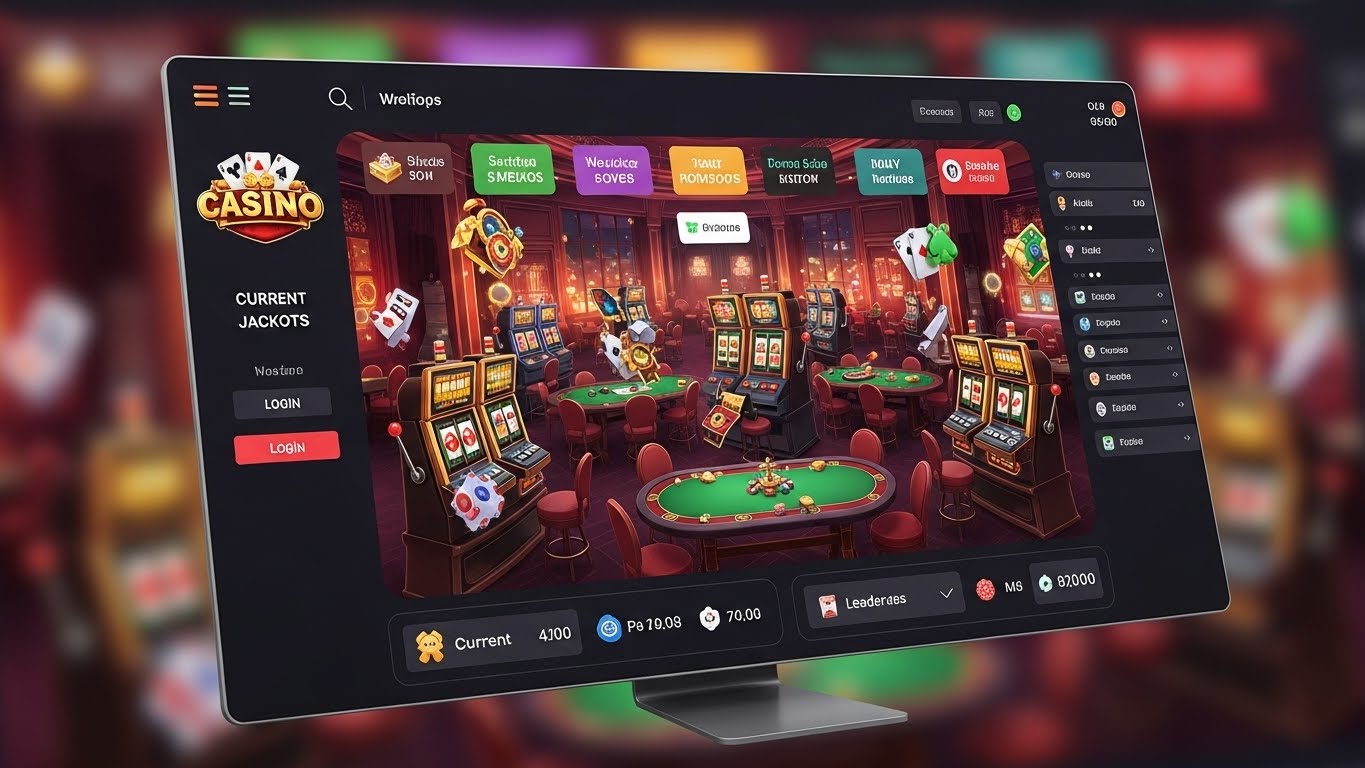
Online Casinos – Virtual versions of traditional casinos where users play slot machines, blackjack, poker, roulette, and more. Advanced graphics, immersive sound, and live dealer features replicate the physical casino experience.
Sports Betting – Platforms allow users to place bets on real-world sports events. Advanced analytics, live score tracking, and in-play betting enhance engagement and make wagering more interactive.
Poker Rooms – Online poker platforms host tournaments, cash games, and casual play. Players can connect with competitors worldwide, honing their strategic skills in a virtual environment.
Bingo and Lottery Games – Online bingo and lottery games provide casual entertainment with opportunities to win prizes. These games combine social interaction with chance-based fun.
Virtual Sports and Esports Betting – Emerging trends include betting on virtual sports simulations and competitive video gaming. These platforms offer innovative experiences for new audiences, blending skill and chance.
The Technology Behind iGaming
Technology drives iGaming’s success. Secure payment gateways allow safe deposits and withdrawals. Random Number Generators ensure fairness in games of chance, while advanced algorithms provide personalized experiences.
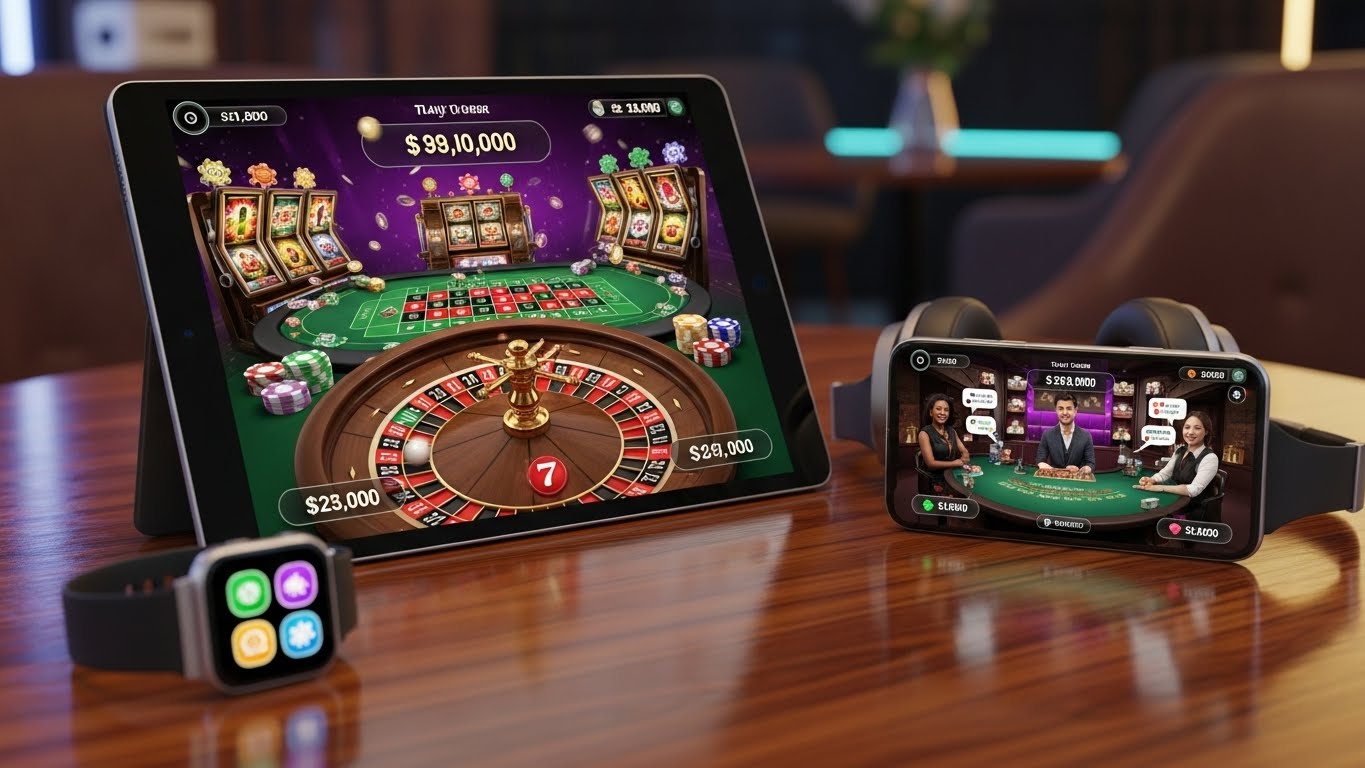
Mobile apps have made iGaming accessible on smartphones and tablets, giving users the flexibility to play anytime. Live streaming technology allows real-time interactions with dealers and other players, creating a sense of immersion similar to physical casinos. Additionally, artificial intelligence and data analytics enable platforms to offer tailored promotions and gaming recommendations, enhancing user engagement.
iGaming and Regulation
iGaming operates in a complex legal environment. Different countries have varying regulations governing online gambling, licensing requirements, and taxation. Regulations ensure that operators maintain fairness, protect user data, and promote responsible gaming.
Licensing authorities play a critical role in building trust between players and platforms. Reputable iGaming companies follow strict standards, including age verification, self-exclusion options, and responsible gaming tools. These measures help prevent problem gambling while ensuring a secure and enjoyable experience for users.
The Social and Cultural Impact of iGaming
iGaming is not only a technological phenomenon; it has significant social and cultural implications. Online platforms create virtual communities where players interact, share tips, and participate in tournaments. Social features like chat rooms, leaderboards, and multiplayer games enhance engagement and foster connections between users.
The cultural impact is also evident in media and marketing. iGaming has influenced pop culture, sports sponsorships, and entertainment content. Celebrity endorsements, live-streamed events, and social media campaigns have normalized online gambling as a mainstream form of entertainment.
The Psychology of iGaming
Understanding the psychological aspects of iGaming is essential. Players are motivated by excitement, reward anticipation, and the thrill of competition. Games are designed with mechanics that encourage engagement, such as progressive jackpots, bonus rounds, and loyalty programs.
Responsible operators integrate features to promote healthy gaming habits, including time limits, deposit caps, and self-assessment tools. By understanding player behavior, platforms can balance entertainment with safety, ensuring long-term sustainability and ethical practice.
Economic Growth and Market Trends
The iGaming industry has experienced rapid economic growth. Online gambling generates billions of dollars annually, supported by technological innovation, expanding internet access, and growing acceptance. Mobile gaming is a key driver, accounting for a significant portion of revenue.
Trends include the integration of live dealer experiences, virtual reality games, skill-based gambling, and gamification. The global market continues to diversify, attracting younger audiences and new demographics who prefer interactive and accessible platforms.
Innovation and Emerging Technologies in iGaming
iGaming is at the forefront of innovation. Virtual reality (VR) and augmented reality (AR) are transforming traditional games into immersive experiences. Players can enter virtual casinos, interact with avatars, and participate in realistic simulations.
Blockchain technology and cryptocurrencies are also shaping the future of iGaming. Transparent transactions, provably fair games, and faster payment solutions appeal to tech-savvy users and enhance trust in the digital ecosystem. Artificial intelligence is improving user experience, offering personalized recommendations and adaptive game design.
iGaming and Entertainment Convergence
iGaming is no longer isolated from other entertainment forms. Integration with music, movies, esports, and streaming platforms creates multi-dimensional experiences. For instance, esports tournaments with betting opportunities combine competition, social interaction, and gambling in one ecosystem.
Gamification techniques, such as leveling systems, achievements, and challenges, make iGaming more engaging and addictive in a positive sense. By blending entertainment and interactive gaming, iGaming is evolving into a holistic digital leisure activity.
Responsible iGaming Practices
Responsible gaming is a cornerstone of sustainable iGaming. Platforms provide tools for players to monitor their spending, set limits, and seek support when needed. Awareness campaigns emphasize the importance of balance, mental health, and avoiding addictive behavior.
Operators also adhere to strict regulations to prevent underage gambling and fraudulent activity. By prioritizing responsible practices, iGaming platforms maintain user trust, ensure fairness, and create a safer online environment.
The Future of iGaming
The future of iGaming is full of possibilities. Technological advancements like AI, VR, AR, and blockchain will continue to redefine the industry. Personalized experiences, real-time interaction, and immersive gameplay will become standard expectations.
New markets, especially in countries adopting regulated online gambling frameworks, will expand the global reach of iGaming. The integration of social features, skill-based gaming, and esports will create hybrid platforms that appeal to a wider audience. The industry’s trajectory indicates sustained growth, innovation, and increasing acceptance as a mainstream form of digital entertainment.
Conclusion: iGaming as a Modern Entertainment Frontier
iGaming represents the intersection of technology, entertainment, and social interaction. It has transformed traditional gambling into a versatile, accessible, and engaging digital experience. With innovations in mobile gaming, live interaction, virtual reality, and AI, iGaming continues to redefine what it means to play, compete, and engage online.
Beyond financial stakes, iGaming offers entertainment, community, and intellectual engagement. By prioritizing responsible gaming practices and leveraging emerging technologies, the industry is poised for continued growth and evolution. iGaming is not just a trend—it is a lasting frontier in the digital entertainment landscape, offering players an interactive, immersive, and dynamic experience that blends chance, skill, and innovation.