Introduction: Understanding iGaming and Its Rapid Growth
In recent years, a digital revolution has taken place across several industries, but few have seen as dramatic and widespread an impact as the iGaming sector. iGaming, a broad term that refers to online gaming and gambling activities, has evolved into a multi-billion-dollar industry that encompasses online casinos, sports betting, virtual games, and even competitive gaming (esports). The rise of iGaming is not just a passing trend—it’s a testament to how technology, accessibility, and changing social norms have reshaped the way we think about leisure and entertainment.
In this blog post, we’ll take a deep dive into the world of iGaming, exploring how it emerged, what drives its continued growth, its impact on society and the economy, and where the industry is headed in the future.
The Birth of iGaming: A Shift from Physical to Digital
While gambling has been a part of human culture for centuries, the concept of iGaming—gambling conducted via the internet—is relatively new. The roots of iGaming can be traced back to the early days of the internet when online casinos began to take shape in the 1990s.
The Early Days: The First Online Casinos
The first online casino was launched in 1994, marking the official birth of the iGaming industry. Initially, these early online casinos were quite basic compared to today’s offerings, but they allowed players to experience the thrill of traditional casino games like blackjack, roulette, and slots from the comfort of their own homes. The rise of the internet, along with the passing of regulations such as the Free Trade and Processing Act in Antigua, allowed online gambling platforms to emerge.
At the same time, technological advancements made the creation of online gambling platforms feasible. Early online casinos had basic graphics and clunky interfaces, but they paved the way for the future of the industry. They were primarily desktop-based, but the foundation was set for what would grow into a massive, global industry.
The Expansion into Sports Betting and Poker
As the internet began to grow, so did the scope of online gambling. By the late 1990s and early 2000s, online poker rooms and sports betting platforms began to emerge. Poker, in particular, became a global phenomenon due to the rise of platforms like PartyPoker and PokerStars, which allowed players from all corners of the world to compete in real-time. Sports betting also flourished, as online bookmakers enabled players to place bets on sports events in an instant, rather than needing to visit physical betting shops or casinos.
The Core Elements of iGaming
iGaming is a diverse industry that encompasses many different types of games and gambling activities. While online casinos, sports betting, and poker have historically been the cornerstones of iGaming, the landscape has evolved significantly in recent years.
Online Casinos: The Heart of iGaming
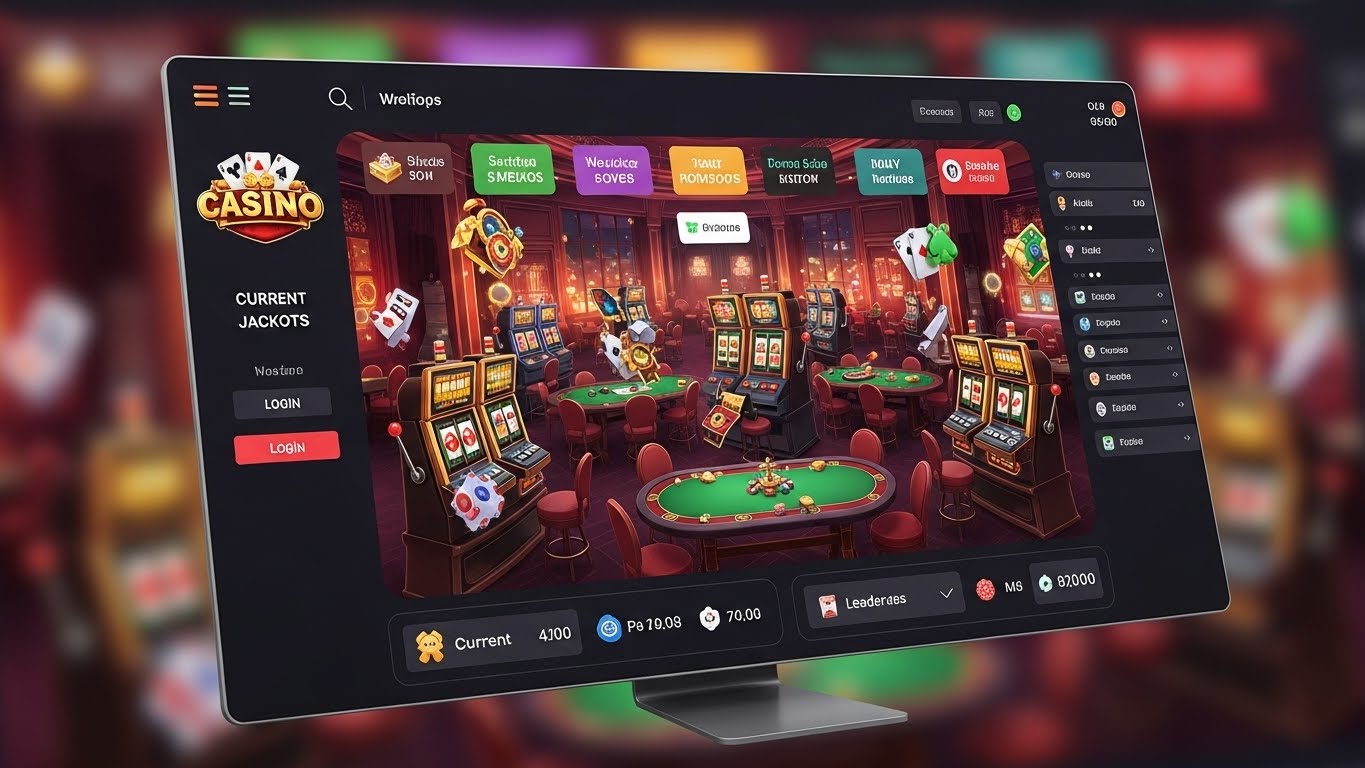
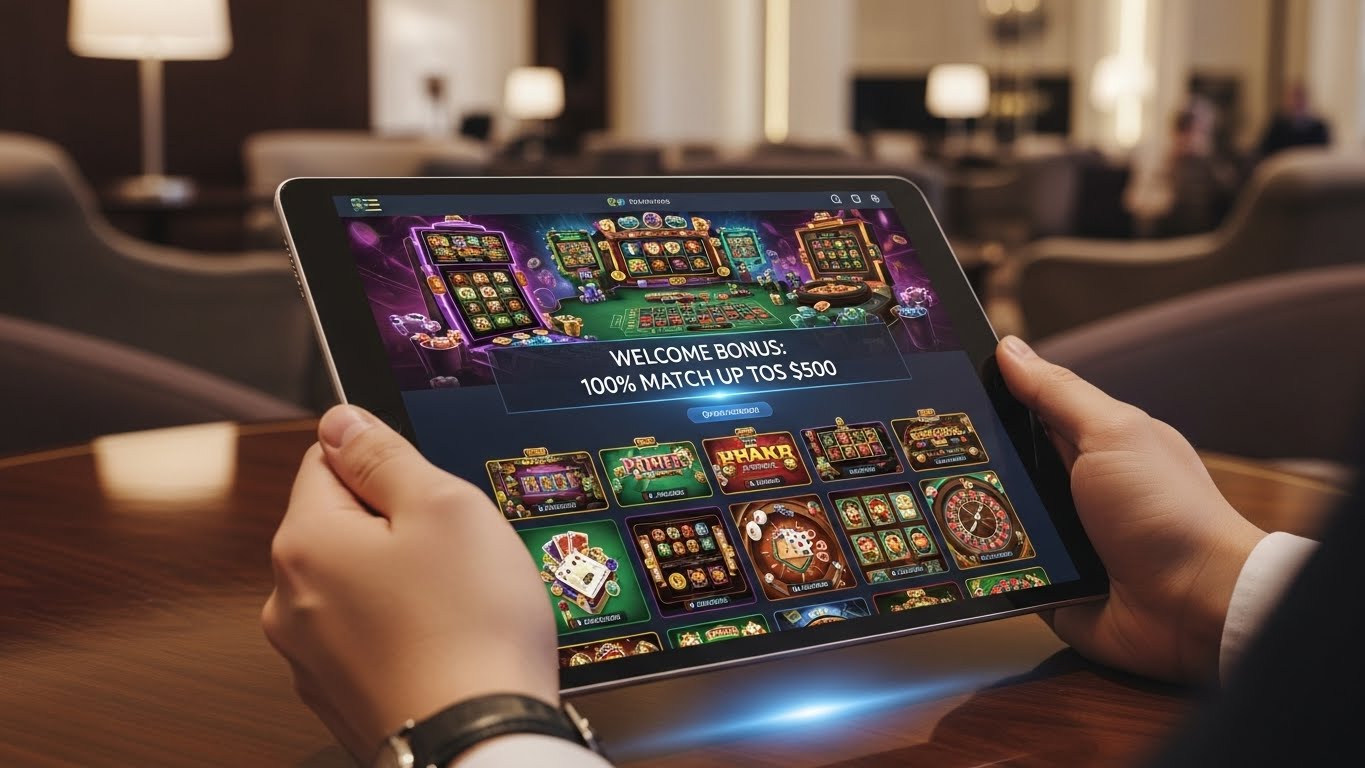
Online casinos are by far the most prominent and well-known aspect of iGaming. These digital platforms offer virtual versions of popular casino games, such as blackjack, baccarat, slots, and roulette. Players can access these games at any time of day from their computers, smartphones, or tablets.
The advantage of online casinos is convenience—they allow players to gamble from the comfort of their homes or on the go, eliminating the need to travel to a physical casino. Over the years, these casinos have become more sophisticated, with improved graphics, faster load times, and increasingly realistic gameplay.
Many online casinos offer bonuses and promotions to attract new players. These might include no-deposit bonuses, free spins, or welcome bonuses, all of which contribute to the growth of the online gambling community.
Sports Betting: A Billion-Dollar Industry
Sports betting is another huge segment of iGaming that has exploded in recent years, thanks to its popularity and the widespread availability of mobile devices. Players can place bets on all sorts of sporting events, from major leagues like the NFL, NBA, and Premier League to more niche sports and even esports.
In some regions, the legalization of sports betting has contributed to its growth, especially in countries like the United States, where states are now passing legislation to regulate sports gambling. The ability to place live bets during games has also added a new level of excitement to sports wagering, creating a more interactive and immersive experience for players.
Poker: The Digital Poker Boom
Online poker has been one of the most successful segments of iGaming, attracting millions of players globally. Platforms like PokerStars and 888Poker offer various types of poker games, including Texas Hold’em, Omaha, and Seven-Card Stud, in addition to poker tournaments with large cash prizes.
The rise of online poker has democratized the game, allowing amateurs to compete against professionals and giving players the opportunity to hone their skills without ever leaving their homes. Poker’s appeal lies not just in its competitive nature, but also in the social aspect, with players often chatting with each other during games, building a sense of community within the online space.
Esports: The New Frontier
Esports—competitive video gaming—has taken the world by storm, becoming one of the most significant drivers of iGaming growth. Esports involves players or teams competing in popular video games like “League of Legends,” “Dota 2,” and “Counter-Strike: Global Offensive.” These games have turned into major events with professional leagues, sponsorships, and multimillion-dollar prize pools.
The rise of esports has opened up new opportunities for iGaming platforms, as players can bet on esports tournaments just as they would on traditional sports. Esports betting has become especially popular with younger audiences who are already invested in gaming culture, further expanding the reach of iGaming.
The Factors Driving the Growth of iGaming
Several key factors have fueled the rapid growth of iGaming in recent years, turning it into a global phenomenon. These factors include advancements in technology, shifting consumer habits, and changing legislation.
Technological Advancements
Technology has been the primary driver behind iGaming’s meteoric rise. High-speed internet, mobile devices, and advancements in gaming software have all played a crucial role in making online gaming more accessible and engaging. The development of live dealer casinos, which allow players to interact with real-life dealers via video stream, has also contributed to the industry’s success by replicating the brick-and-mortar casino experience online.
In addition, mobile gaming has made iGaming even more accessible. With the increasing use of smartphones, players can now enjoy their favorite casino games or place sports bets anytime and anywhere. The evolution of mobile apps and websites has made it easier for players to interact with gambling platforms, contributing to a more seamless and enjoyable experience.
Changing Consumer Preferences
Younger generations, particularly millennials and Gen Z, have grown up with the internet and are more comfortable engaging in digital entertainment. This demographic shift has led to an increased demand for online gambling and gaming. Younger players are attracted to the convenience of playing from home and the ability to access a wide variety of games, many of which offer a social experience as well.
Furthermore, the appeal of instant gratification plays a major role in the popularity of iGaming. Unlike traditional gambling, where players need to visit a casino or betting shop, online gambling allows users to place bets or play games in real-time, offering an immediate sense of excitement.
Regulation and Legalization
The legalization of online gambling in various parts of the world has also contributed to the growth of the industry. In Europe, many countries have implemented regulations that ensure fairness and protect players, creating a safer environment for online gamblers. The United States has also seen a surge in iGaming growth following the legalization of online gambling in states like New Jersey, Pennsylvania, and Michigan.
As more regions regulate the industry, iGaming platforms are able to operate with greater legitimacy, attracting more players and increasing market competition.
The Social and Economic Impact of iGaming
The iGaming sector is not just a significant entertainment industry—it’s also a major contributor to the economy. Online gambling platforms generate billions of dollars in revenue each year, which can be reinvested into local economies. In regions where iGaming is regulated, operators must pay taxes, which are often used to fund public projects and services.
However, iGaming also comes with its social challenges. One of the major concerns is the potential for gambling addiction. As online gambling becomes more accessible, it can lead to problematic behavior for some individuals. Many iGaming platforms have responded by implementing responsible gambling measures, such as self-exclusion options, limits on deposit amounts, and links to counseling services.
The Future of iGaming: What’s Next?
Looking ahead, the future of iGaming is filled with potential. Several emerging technologies and trends are likely to shape the industry’s trajectory.
Virtual Reality (VR) and Augmented Reality (AR)
The integration of VR and AR into iGaming could revolutionize the way players experience online gambling. Virtual reality casinos would allow players to immerse themselves in 3D environments, where they can interact with other players and dealers. Augmented reality could bring elements of the real world into online games, enhancing the realism of virtual experiences.
Blockchain and Cryptocurrency
Blockchain technology and cryptocurrencies like Bitcoin are also likely to have a significant impact on iGaming. Blockchain can provide greater transparency and security, allowing players to verify transactions and ensure fairness in games. Cryptocurrency could offer a more secure and anonymous way for players to deposit and withdraw funds from online gambling platforms.
Artificial Intelligence (AI) and Personalization
AI has the potential to enhance the user experience by offering more personalized recommendations and creating more dynamic gaming environments. For example, AI could be used to adjust the difficulty of games based on a player’s skill level or provide tailored bonus offers.
Conclusion
iGaming has undergone a remarkable transformation since its inception in the 1990s. What began as a niche online activity has blossomed into a global industry with millions of players across the world. Technological innovations, changing consumer habits, and regulatory shifts have all contributed to the rapid growth of this digital entertainment sector.
As iGaming continues to evolve, the future looks bright, with new technologies like VR, blockchain, and AI set to enhance the player experience. While the industry faces challenges—such as the need for responsible gambling practices—its potential to continue growing and reshaping the entertainment landscape is undeniable.
In the end, iGaming isn’t just about gambling; it’s about creating a dynamic and engaging digital experience that appeals to players in ways that traditional, physical casinos simply cannot. The future of iGaming is unfolding before our eyes, and it promises to be an exciting journey for both players and operators alike.