Introduction: What is iGaming?
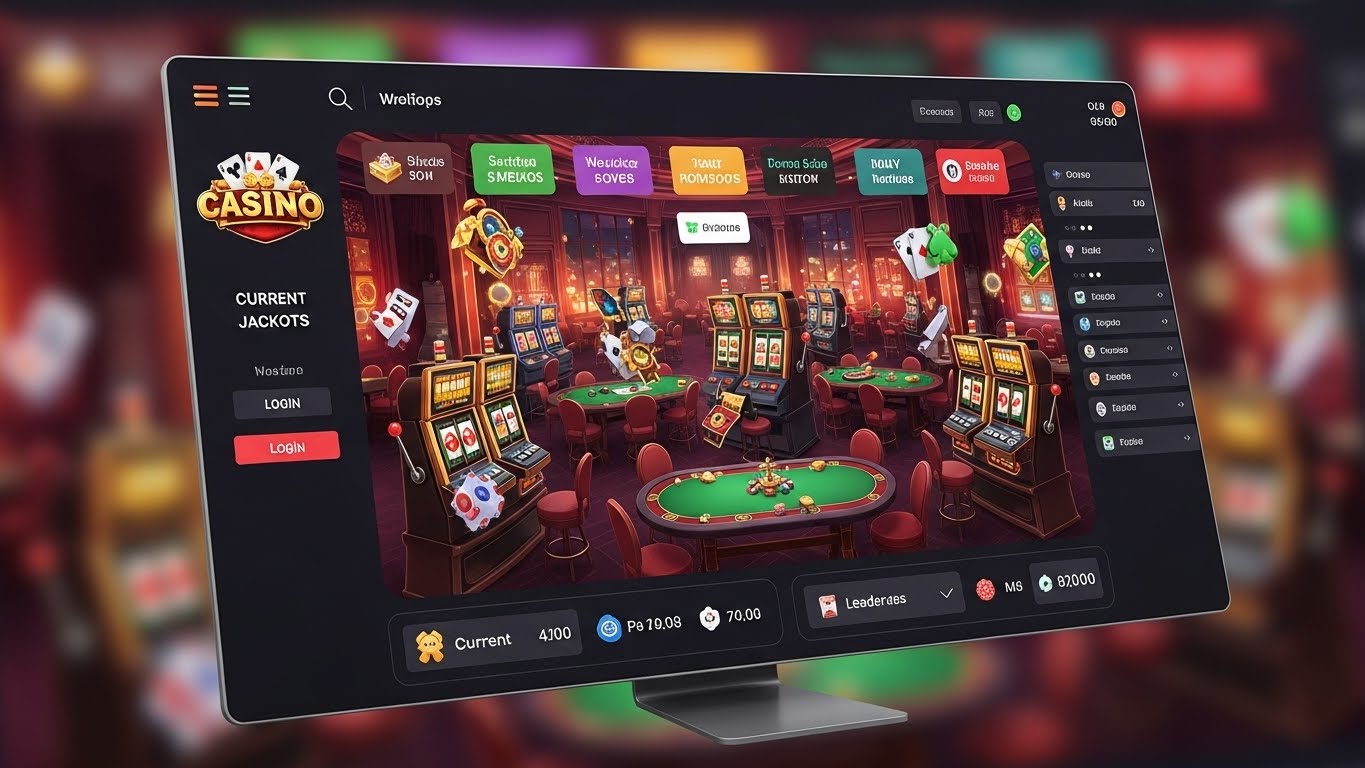
The world of entertainment has undergone a major transformation in the last two decades, and one of the most significant changes has been the rise of iGaming. But what exactly does iGaming mean? Simply put, iGaming refers to online gaming or gambling. This sector encompasses a wide range of activities, including online casinos, sports betting, poker, and even virtual games. Unlike traditional gambling, where players go to physical casinos, iGaming allows users to place bets, play games, and engage in various forms of entertainment directly from their computers, smartphones, or tablets.
The rapid growth of the iGaming industry is a direct result of advancements in technology, changing consumer preferences, and the increasing availability of internet access worldwide. As technology continues to evolve, the world of online gaming is poised to become even more immersive and interactive.
This blog post delves into the dynamics of iGaming, exploring its history, the current trends shaping the industry, its social and economic impact, and what the future holds for this fast-growing sector.
The History of iGaming: From Land-based to Online
The roots of iGaming can be traced back to traditional land-based gambling establishments. While gambling has been part of human civilization for centuries, the first major shift towards iGaming began in the 1990s with the rise of the internet.
The Birth of Online Casinos (1994)
In 1994, the government of Antigua and Barbuda passed the Free Trade & Processing Act, which allowed companies to operate online gambling businesses. This legislation played a pivotal role in launching the iGaming industry. Soon after, the first online casino software was developed, and the first virtual casinos began to pop up on the internet. The technology was rudimentary by today’s standards, but it laid the foundation for the online gambling industry we know today.
The Growth of Online Poker and Sports Betting
By the early 2000s, online poker began to grow in popularity, largely due to platforms like PokerStars and PartyPoker. These websites offered players the chance to play against others around the world, a feature that was impossible in traditional poker settings. Sports betting, too, found a natural home in the digital space, with bookmakers offering odds on everything from football to horse racing. This period marked a major shift, as gamblers now had 24/7 access to their favorite games and sports events.
Technological Advancements and Mobile Gaming
The next milestone in the history of iGaming came with the advent of mobile technology. The proliferation of smartphones and tablets made it possible for players to engage in iGaming anywhere, anytime. The development of mobile-optimized websites and dedicated apps for online casinos, poker rooms, and sports betting platforms meant that the experience was more convenient and accessible than ever.
The Key Elements of iGaming
iGaming is an umbrella term that encompasses several forms of entertainment. Each of these segments has distinct characteristics and appeals to different types of players.
Online Casinos
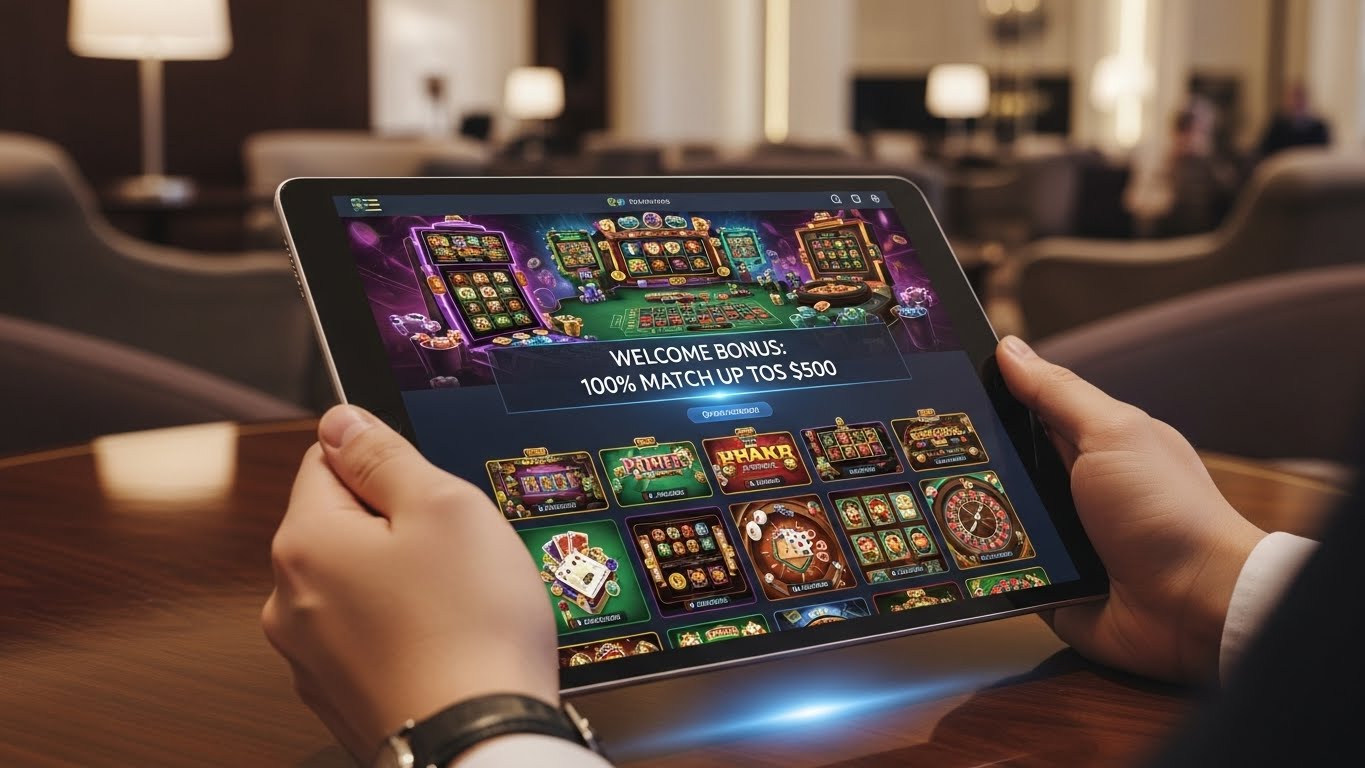
Online casinos are the most well-known segment of the iGaming industry. These platforms offer a wide variety of traditional casino games, including slots, blackjack, roulette, baccarat, and more. One of the primary advantages of online casinos is the ability to play from anywhere in the world, without the need to travel to a physical casino. Additionally, many online casinos offer attractive bonuses, rewards, and free spins to attract new players.
Online Poker
Online poker, which became popular in the early 2000s, allows players to compete against others in real-time. Poker platforms offer various types of games, including Texas Hold’em, Omaha, and Seven-Card Stud, among others. These games can be played in both cash games and tournament formats, with some tournaments offering massive prize pools.
Sports Betting
Online sports betting is another major part of the iGaming industry. Players can bet on a wide range of sports, from popular games like soccer, basketball, and baseball, to niche sports like esports, darts, and even virtual sports. The convenience of being able to place bets on sporting events through mobile apps and websites has contributed significantly to the sector’s rapid growth.
Virtual and Esports Games
Virtual sports are simulated games that mimic real-life sports, such as football, horse racing, or tennis. These are usually powered by algorithms and are available 24/7 for players to wager on. Esports, on the other hand, has emerged as one of the most exciting and fast-growing segments of iGaming. Esports betting involves placing wagers on competitive video gaming events. Esports has an immense fan base, with major tournaments attracting millions of viewers and generating billions in revenue.
Why iGaming is Booming: Key Drivers of Growth
Several factors contribute to the rapid growth of iGaming and its widespread appeal.
1. Technological Innovation
The evolution of technology has had the most significant impact on iGaming. The development of high-speed internet, better graphics, secure payment methods, and mobile devices has made it possible for players to engage in a seamless gaming experience. Moreover, the introduction of live dealer games has added a layer of realism that simulates the feeling of being in a physical casino.
2. Convenience and Accessibility
Unlike traditional gambling, which requires players to visit a physical location, iGaming offers the convenience of playing from the comfort of one’s home or on the go. With the rise of mobile gaming, iGamers can play anywhere, whether during a commute or while waiting in line.
3. Attractive Bonuses and Promotions
Online gambling platforms often offer bonuses, free spins, and other promotions to attract new users and retain existing players. These incentives are a major reason for the growing popularity of online casinos and sports betting platforms.
4. Changing Demographics and Consumer Behavior
Younger generations are driving the demand for iGaming. With the prevalence of digital technologies in everyday life, many individuals are more comfortable with online interactions, including gaming and gambling. The appeal of instant gratification and the excitement of playing games online has resonated with millennials and Generation Z.
5. Legalization and Regulation
In many regions, governments are beginning to legalize and regulate online gambling. This has provided the iGaming industry with a sense of legitimacy and has ensured that players’ data and money are protected. The growth of regulated markets, especially in Europe, the United States, and parts of Asia, has also led to a surge in both players and revenue.
The Economic and Social Impact of iGaming
Economic Contributions
The iGaming industry has made significant economic contributions, especially in regions where it is regulated. In addition to creating jobs in areas such as software development, customer service, marketing, and law enforcement, iGaming generates billions in tax revenue for governments. This revenue can be used to fund public services and infrastructure.
Challenges and Social Responsibility
Despite its rapid growth and economic potential, iGaming has faced criticism regarding its impact on society. Some critics argue that online gambling can lead to addiction, financial ruin, and other social issues. In response, many operators have introduced responsible gambling tools, such as self-exclusion options, limits on deposit amounts, and links to support services.
Governments and regulatory bodies are working on creating a safer environment for players by enforcing strict guidelines on advertising, responsible gambling, and fairness. This has led to a healthier, more sustainable iGaming ecosystem.
The Future of iGaming: What Lies Ahead?
The iGaming industry is still in its early stages, and the future holds immense potential. Some of the key trends that are likely to shape the future of iGaming include:
1. Virtual Reality and Augmented Reality (VR/AR)
The integration of VR and AR technology into iGaming is one of the most exciting developments on the horizon. VR casinos, where players can interact with the environment and other players in a fully immersive 3D world, could become a reality in the near future. Augmented reality may also enhance mobile gaming experiences by overlaying digital elements onto the real world.
2. Blockchain and Cryptocurrency
Blockchain technology and cryptocurrencies like Bitcoin are likely to play a larger role in iGaming, providing players with more secure and anonymous methods of payment. Blockchain’s transparency can also help reduce fraud and ensure fairness in gaming.
3. Live Streaming and Esports Growth
As esports continues to grow, live streaming platforms like Twitch and YouTube Gaming will play an even more prominent role in the iGaming sector. Esports betting, combined with live streaming, creates an interactive experience for players and viewers alike.
4. Artificial Intelligence (AI) and Personalization
AI will allow iGaming platforms to better understand players’ preferences, offering more personalized experiences. AI-powered chatbots could improve customer service, while predictive algorithms might be used to offer tailored game recommendations or odds.
Conclusion
The iGaming industry has come a long way since its inception, transforming the way people think about entertainment and gambling. With technological advancements, greater accessibility, and evolving consumer behavior, the sector is on a growth trajectory that shows no signs of slowing down.
As the industry continues to expand, players can look forward to more immersive experiences, improved security, and innovative technologies that will further enhance the iGaming experience. However, with this growth comes the responsibility of ensuring that the industry remains safe, fair, and sustainable for all players.
The future of iGaming is bright, and as the digital age progresses, it’s clear that online gaming will remain an integral part of the global entertainment landscape.