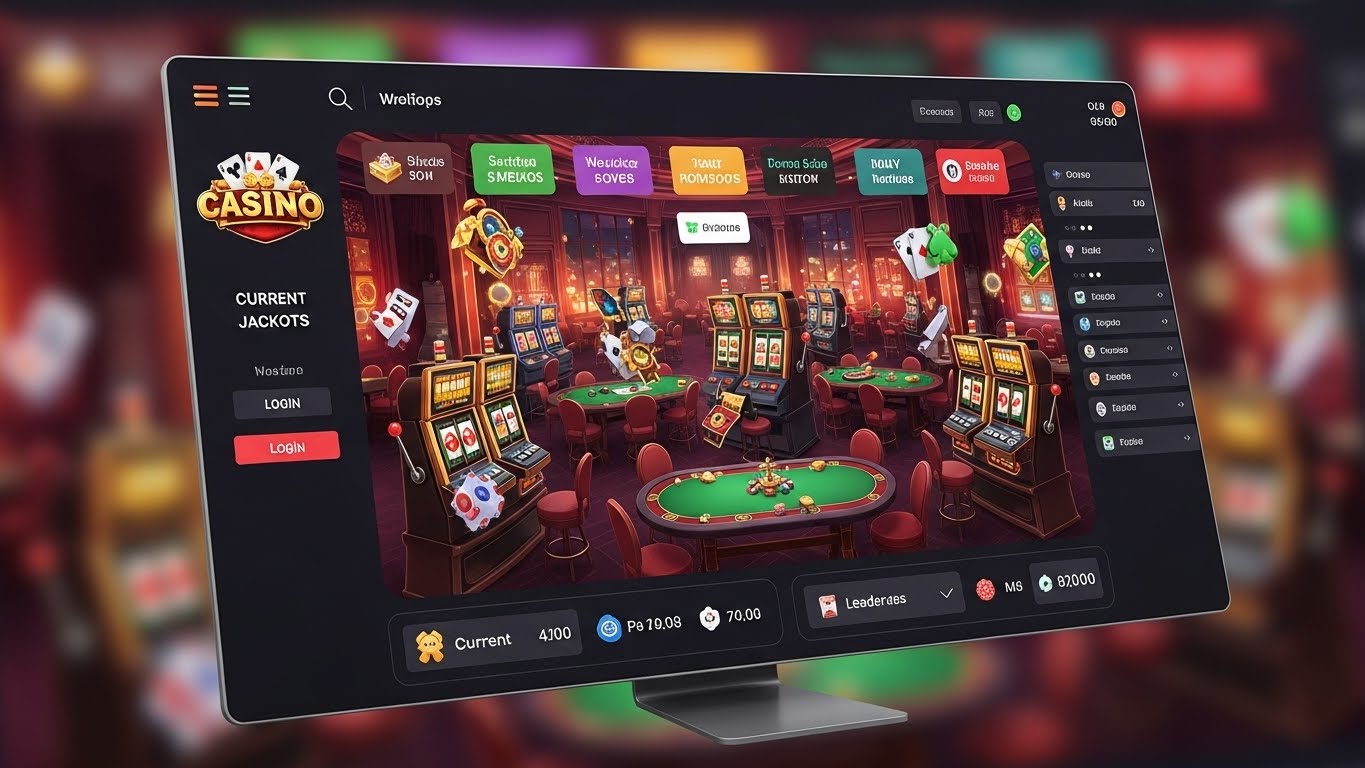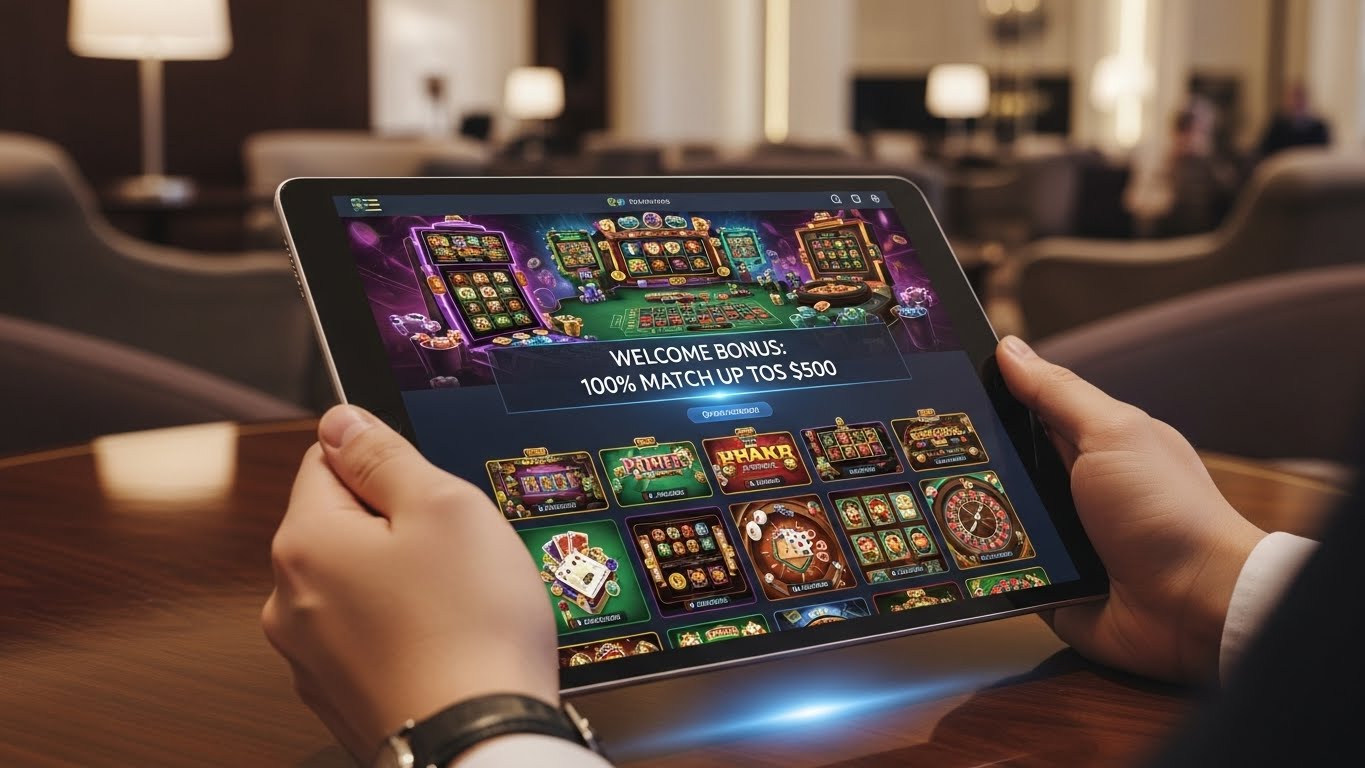
The rise of iGaming has been one of the most significant phenomena in the digital entertainment world over the past two decades. With the convergence of technology, gaming, and online betting, iGaming has grown into a global industry worth billions. It encompasses a wide range of online games and activities, from online casinos and poker rooms to sports betting and eSports. This blog will explore what iGaming is, its growth, the various sectors within the industry, its future prospects, and the challenges that lie ahead.
What is iGaming?
iGaming refers to the broad category of online gaming and gambling activities where players wager real money on various types of games. This term primarily includes online casinos, poker, sports betting, and increasingly popular eSports betting. The term has evolved as the industry has expanded, and it covers a variety of online gambling activities, from traditional casino games like blackjack, roulette, and slot machines, to newer and more innovative gaming experiences.
The defining characteristic of iGaming is that it allows players to participate in games for real money via the internet. While some may view iGaming as purely recreational, it can also be highly competitive, with significant financial stakes and professional players earning millions.
The Growth of iGaming
iGaming’s meteoric rise can be attributed to a combination of factors, including technological advancements, a growing shift toward digital entertainment, and changing regulatory landscapes in many regions.
Technology as a Driving Force
The internet and mobile technology have been the backbone of the iGaming boom. The increasing availability of high-speed internet and the development of mobile devices, such as smartphones and tablets, have made it easier than ever for users to access gaming platforms from virtually anywhere in the world. The convenience of mobile gaming, coupled with the rise of instant-play casino games and seamless payment systems, has expanded iGaming’s appeal to a broader audience.
Live dealer games have also played a crucial role in enhancing the realism and immersion of online casinos. These games, which feature real dealers interacting with players via live video streams, replicate the feel of a physical casino but with the added benefit of being accessible from home or on the go.
Legal and Regulatory Evolution
The regulatory environment surrounding online gambling has evolved considerably in recent years. In some regions, the legalization of online gaming has helped to fuel the industry’s growth by providing a legal framework that protects consumers and ensures fair play. In the United States, for example, the repeal of PASPA (Professional and Amateur Sports Protection Act) in 2018 opened the door for sports betting to become legal in multiple states, leading to a significant surge in iGaming activity.
Similarly, many European countries have established comprehensive regulations governing online gambling to ensure player protection, responsible gaming practices, and fair operations. As governments across the world embrace the economic potential of the iGaming sector, more countries are legalizing and regulating online gambling, leading to more significant investments and growth within the industry.
Different Segments of the iGaming Industry
iGaming encompasses a wide range of gambling activities. Each sector caters to different types of players and provides unique experiences.
Online Casinos
Online casinos are one of the largest segments of the iGaming industry. They offer traditional casino games like blackjack, roulette, baccarat, and poker, as well as a wide variety of slot machines. With the advent of sophisticated software, these platforms offer games that are not only engaging but also visually stunning. Providers like Microgaming, Playtech, and Evolution Gaming have helped shape the online casino landscape by creating software that delivers seamless gameplay and realistic graphics.
Online casinos have also embraced the trend of gamification, where players can earn rewards, points, or prizes for their actions, increasing player engagement and retention.
Sports Betting
Sports betting is another key component of iGaming. From traditional sports like football, basketball, and horse racing, to more niche markets like esports and virtual sports, betting has become a massive part of online gaming. Major sportsbooks operate globally, offering odds on a wide variety of sports and events. The popularity of fantasy sports, like Daily Fantasy Sports (DFS) in the United States, has also driven engagement and participation.
With the rise of live sports streaming and in-play betting, players can place bets during ongoing events, which adds a layer of excitement and dynamism to the betting experience. Many online betting platforms also offer in-depth statistics and analytics to help bettors make more informed decisions.
Online Poker
Online poker is a game of skill that continues to attract millions of players worldwide. Platforms like PokerStars, 888Poker, and PartyPoker offer a variety of poker games, including Texas Hold’em, Omaha, and Seven-Card Stud. Tournaments like the World Series of Poker (WSOP) are also held online, with some players earning life-changing sums.
Online poker’s appeal lies in its combination of strategy, skill, and luck. Players compete not only against each other but also against a dynamic environment of constantly changing competitors, creating an ever-evolving challenge.
eSports Betting
Esports has exploded in popularity in recent years, and with this rise has come a significant increase in esports betting. Esports refers to competitive video gaming, where professional gamers and teams compete in games like League of Legends, Dota 2, Counter-Strike, and Fortnite. The global esports audience is growing rapidly, and major tournaments offer multi-million-dollar prize pools.
Betting on esports allows players to wager on the outcome of these tournaments, as well as individual matches. The integration of esports betting with iGaming platforms has made this sector an attractive and rapidly expanding market for both operators and bettors.
The Future of iGaming
The future of iGaming looks incredibly bright, driven by technological innovations, a growing global audience, and increased regulation. Here are some trends that are expected to shape the industry in the coming years.
Virtual Reality (VR) and Augmented Reality (AR)
Virtual reality and augmented reality are poised to revolutionize iGaming by providing an entirely new level of immersion. VR casinos could allow players to step into fully immersive 3D environments where they can interact with other players and dealers, mimicking the experience of being in a land-based casino. Similarly, AR could enhance live sports betting by providing players with real-time stats and visual overlays during matches.
Cryptocurrencies and Blockchain Technology
Cryptocurrencies like Bitcoin and Ethereum have begun to gain traction in the iGaming sector. Online casinos and betting platforms are now offering cryptocurrency payments, enabling faster, more secure, and anonymous transactions. Blockchain technology is also being explored for its ability to ensure transparency and fairness in gaming operations, especially in online poker and casino games.
Mobile Gaming Domination
The shift toward mobile gaming is expected to continue its dominance in the iGaming industry. With smartphone penetration reaching almost universal levels, mobile platforms offer a convenient and flexible way for players to access their favorite games anytime, anywhere. iGaming developers will continue to optimize their platforms for mobile devices, providing smoother experiences, higher-quality graphics, and innovative features tailored to mobile users.
Increased Regulation and Responsible Gaming
As the iGaming industry grows, so too does the need for robust regulation. Governments and regulatory bodies are working to ensure that players are protected, and that operators are compliant with legal standards. Issues like problem gambling, underage betting, and fraudulent practices are being addressed through regulatory frameworks, as well as responsible gaming initiatives.
The rise of self-exclusion programs, time limits, and tools to track spending will likely become standard features across most platforms, ensuring a safer and more responsible gaming experience for users.
Challenges Facing the iGaming Industry
Despite its rapid growth, the iGaming industry faces several challenges that must be addressed for sustainable success.
Regulatory and Legal Hurdles
While iGaming is becoming more widely accepted, regulatory frameworks vary significantly across regions, creating complexities for operators. Some countries have stringent regulations, while others have no clear stance on online gambling. The fragmented nature of international regulations can make it difficult for operators to expand globally and ensure they remain compliant with local laws.
Fraud and Cybersecurity
As with any online platform, the iGaming industry faces ongoing threats from cybercriminals. Protecting user data, financial transactions, and preventing cheating in games are critical concerns for operators. To maintain trust and integrity, platforms must continually invest in cybersecurity and encryption technologies to safeguard player information.
Market Saturation
The iGaming market is becoming increasingly competitive, with a growing number of operators vying for attention. To stand out, platforms must continually innovate and offer unique features that differentiate them from others. This could include offering exclusive games, better user interfaces, or superior customer service.
Conclusion
iGaming is a dynamic and fast-growing industry that offers a variety of entertainment options for players worldwide. From online casinos and poker rooms to sports betting and esports, the sector has experienced exponential growth, driven by technological advancements, evolving regulations, and changing consumer preferences. As the industry continues to expand, the future looks bright, with innovations like VR, cryptocurrency, and mobile gaming set to further shape its evolution.
However, with growth comes responsibility. Ensuring fair play, protecting consumers, and promoting responsible gaming will be key to the long-term success and sustainability of the iGaming industry. As technology continues to evolve and more regions legalize and regulate online gambling, iGaming will undoubtedly continue to play an integral role in the future of online entertainment.